Latest News

Latest News

How Eco Formers is Driving Sustainable ERP Compliance

How Eco Formers is Driving Sustainable ERP Compliance Latest News August 12, 2025 Plastic pollution is no longer a distant environmental concern—it is one of the most pressing global challenges of our time. With India generating nearly 3.5 million tonnes of plastic waste annually, the need for effective, scalable, and accountable recycling solutions has never been greater. Against this backdrop, Eco Formers stands as a vital partner for Producers, Importers, and Brand Owners (PIBOs) striving to meet their Extended Producer Responsibility (EPR) targets under the Central Pollution Control Board (CPCB) guidelines. As part of India’s ESG (Environmental, Social, and Governance) transformation, PIBOs are now accountable for the end-of-life management of the plastic they introduce into the market. While the regulations are clear, the pathway to compliance is often complex—requiring not only collection and recycling but also verifiable documentation to satisfy CPCB audits. This is where Eco Formers plays a crucial role. Our state-of-the-art plastic recycling plant is equipped to handle multiple streams of post-consumer plastic waste, transforming it into high-quality recycled granules that can re-enter the production cycle. More than just a recycler, Eco Formers acts as a strategic compliance partner—ensuring that every kilogram of plastic processed is traceable, CPCB-compliant, and contributes directly towards a client’s EPR obligations. Beyond compliance, Eco Formers focuses on impact-driven sustainability. For every tonne of plastic we recycle, we reduce the carbon footprint associated with virgin plastic production, conserve natural resources, and prevent harmful waste from ending up in landfills and water bodies. This aligns with the ESG goals of many forward-thinking companies, where environmental stewardship is intertwined with brand reputation and stakeholder trust. Our partnerships extend beyond the factory gates. We collaborate with waste aggregators, municipal bodies, and informal sector workers, integrating them into a transparent value chain that benefits both the environment and livelihoods. This inclusive approach not only ensures steady waste supply for recycling but also drives social responsibility—an equally important pillar of ESG. The plastic waste crisis cannot be solved by regulation alone. It requires committed execution, technological innovation, and industry-wide collaboration. Eco Formers is proud to be at the intersection of these efforts, helping PIBOs transform EPR compliance from a legal obligation into a meaningful sustainability achievement. As we look ahead, the vision is clear: a circular economy where every piece of plastic is recovered, recycled, and reused—keeping our environment clean and our businesses compliant. Together, with PIBOs and stakeholders across the value chain, we can turn the tide on plastic waste. Have you checked these? How Eco Formers is Driving Sustainable ERP Compliance Plastic pollution is no longer a distant environmental concern—it is one of the most pressing global… Read More Phasing Out Non-Recyclable Plastics – The Road to a Cleaner Future Phasing Out Non-Recyclable Plastics – The Road to a Cleaner Future Latest News August 9, 2025… Read More Recycle Plastic or Reduce Usage – How Governments Are Taming Plastic Pollution Recycle Plastic or Reduce Usage – How Governments Are Taming Plastic Pollution Latest News August 8… Read More Risks and Challenges of Plastic Recycling: From Collection to Reuse Risks and Challenges of Plastic Recycling: From Collection to Reuse Latest News August 6, 2025… Read More The Hidden Plastic Threat: The Overlooked Challenge The Hidden Plastic Threat: The Overlooked Challenge Latest News August 6, 2025 Kolkata, 6th Aug… Read More ESG Goals, PIBOs & the Role of PROs — Shaping Sustainable Accountability ESG Goals, PIBOs & the Role of PROs — Shaping Sustainable Accountability Latest News August 2… Read More Global Plastic Recycling Crisis — The World Still Recycles Less Than 10% Global Plastic Recycling Crisis — The World Still Recycles Less Than 10% Uncategorized August 2… Read More What You Can Do to Control Plastic Pollution — A Step Towards a Cleaner Tomorrow What You Can Do to Control Plastic Pollution — A Step Towards a Cleaner Tomorrow Uncategorized… Read More Buying Plastic Credits: Is It A Legal Alternative for PIBOs to Meet ESG Goals Buying Plastic Credits: Is It A Legal Route for PIBOs to Meet ESG Goals Latest News July 31, 2025 In… Read More
Latest News

Phasing Out Non-Recyclable Plastics – The Road to a Cleaner Future

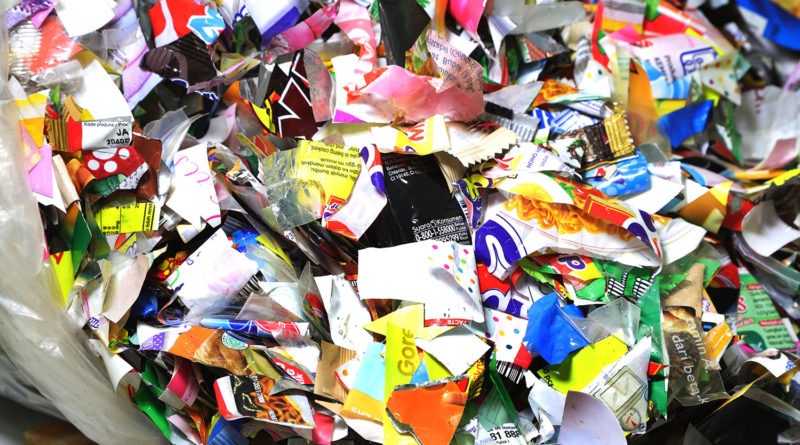
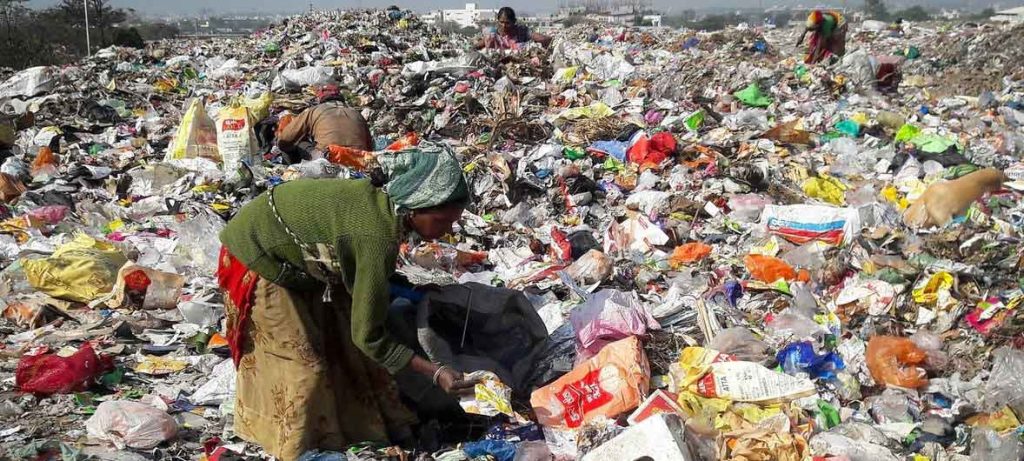
Phasing Out Non-Recyclable Plastics – The Road to a Cleaner Future Latest News August 9, 2025 Plastics have become indispensable in modern life, but not all plastics are created equal. While certain types can be recycled multiple times, others are either economically unviable to recycle or technically impossible due to their chemical composition. These non-recyclable plastics are a significant contributor to environmental pollution, persisting for decades in landfills and waterways. Types of Non-Recyclable Plastics One of the most common non-recyclable plastics is multi-layered packaging (MLP), often used in chips packets, biscuit wrappers, and instant noodle packaging. These combine layers of different materials such as plastic and aluminum, making separation and recycling extremely challenging. Another example is thermoset plastics, like those found in melamine utensils, electrical switches, and epoxy resins. Once hardened, these plastics cannot be remolded or recycled due to their cross-linked chemical structure. Polystyrene foam, commonly called Styrofoam, is also problematic. Used in disposable cups, trays, and packaging peanuts, it is lightweight and bulky, making collection and recycling inefficient. PVC (Polyvinyl Chloride), used in certain pipes, window frames, and synthetic leather, contains chlorine and other additives that release harmful toxins during recycling, posing health and environmental risks. Why Removal from the Market is Necessary Non-recyclable plastics not only occupy landfill space but also break down into microplastics, contaminating soil, water, and the food chain. The continued use of such materials undermines global efforts to establish a circular economy for plastics. Removing them from the market is, therefore, essential to ensure sustainable waste management. Strategies to Phase Out Non-Recyclable Plastics Governments can implement regulatory bans or phase-out timelines for products containing non-recyclable plastics. The Indian government’s ban on certain single-use plastics is an example of such intervention. Encouraging research and development of alternative materials is another critical step. Compostable bioplastics, recyclable mono-material packaging, and edible films are emerging as viable replacements. Extended Producer Responsibility (EPR) can compel manufacturers to redesign packaging with recyclability in mind, making companies accountable for the end-of-life management of their products. Public awareness is equally important. Consumers must be educated to identify non-recyclable plastics and choose eco-friendly alternatives. Clear labeling on packaging can help people make informed decisions. Have you checked these? Phasing Out Non-Recyclable Plastics – The Road to a Cleaner Future Phasing Out Non-Recyclable Plastics – The Road to a Cleaner Future Latest News August 9, 2025… Read More Recycle Plastic or Reduce Usage – How Governments Are Taming Plastic Pollution Recycle Plastic or Reduce Usage – How Governments Are Taming Plastic Pollution Latest News August 8… Read More Risks and Challenges of Plastic Recycling: From Collection to Reuse Risks and Challenges of Plastic Recycling: From Collection to Reuse Latest News August 6, 2025… Read More The Hidden Plastic Threat: The Overlooked Challenge The Hidden Plastic Threat: The Overlooked Challenge Latest News August 6, 2025 Kolkata, 6th Aug… Read More ESG Goals, PIBOs & the Role of PROs — Shaping Sustainable Accountability ESG Goals, PIBOs & the Role of PROs — Shaping Sustainable Accountability Latest News August 2… Read More Global Plastic Recycling Crisis — The World Still Recycles Less Than 10% Global Plastic Recycling Crisis — The World Still Recycles Less Than 10% Uncategorized August 2… Read More What You Can Do to Control Plastic Pollution — A Step Towards a Cleaner Tomorrow What You Can Do to Control Plastic Pollution — A Step Towards a Cleaner Tomorrow Uncategorized… Read More Buying Plastic Credits: Is It A Legal Alternative for PIBOs to Meet ESG Goals Buying Plastic Credits: Is It A Legal Route for PIBOs to Meet ESG Goals Latest News July 31, 2025 In… Read More Top Strategies for PIBOs to Meet Their EPR Targets Effectively Top Strategies for PIBOs to Meet Their EPR Targets Effectively Latest News July 31, 2025 In India… Read More
Latest News

Recycle Plastic or Reduce Usage – How Governments Are Taming Plastic Pollution

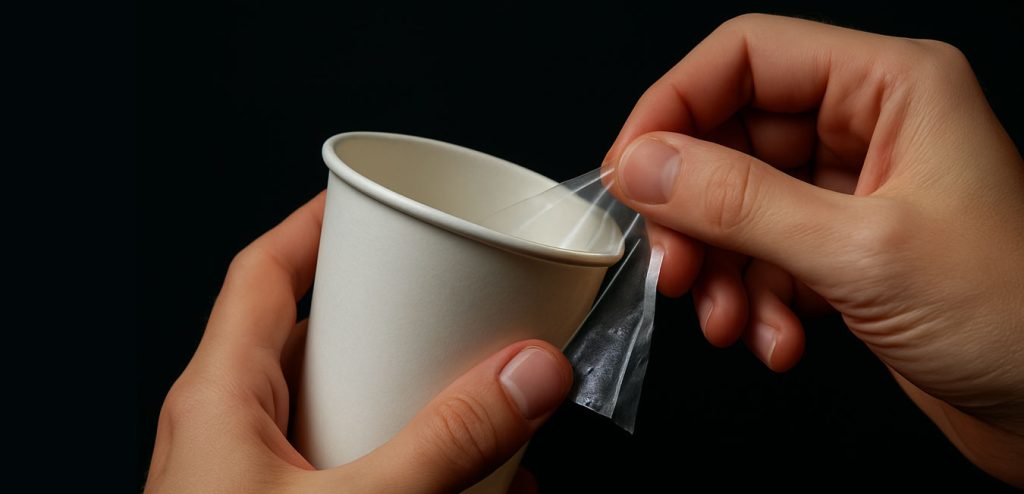
Recycle Plastic or Reduce Usage – How Governments Are Taming Plastic Pollution Latest News August 8, 2025 Users, PIBOs, and the government have now become aware of the threats caused by plastic pollution. However, most remain clueless, as cleaning up plastic has become a real challenge — both in terms of process and economic feasibility. The problem is, we cannot step back from this situation. We all must need to join hands to tame down this extremely useful, yet threatening material. Around the world, governments are grappling with the challenge of curbing plastic waste through a combination of recycling initiatives and measures to reduce consumption. Balancing Recycling and Reduction While recycling has long been considered the primary solution, it is now clear that recycling alone cannot solve the plastic crisis. Globally, only a fraction of plastic waste actually gets recycled, with the rest ending up in landfills, waterways, or the open environment. Recognizing this, governments are shifting their strategies to include both better recycling systems and policies that limit plastic production and use. Policy Interventions Several countries have introduced bans or heavy restrictions on single-use plastics like carry bags, straws, and cutlery. In India, for example, the government implemented a nationwide ban on certain single-use plastic items in 2022. The European Union has a similar directive targeting the top ten single-use plastic products that most commonly pollute beaches. These bans aim to reduce the amount of plastic entering the waste stream in the first place. Strengthening Recycling Ecosystems At the same time, governments are investing in improving recycling infrastructure. This includes setting up modern material recovery facilities, supporting plastic-to-fuel innovations, and mandating the use of recycled content in packaging. In countries like Japan and Germany, strong segregation rules and Extended Producer Responsibility (EPR) policies ensure that companies remain accountable for the plastic they introduce into the market. Public Awareness and Behavioral Change Policies alone are not enough; people must also be willing to change their habits. Public awareness campaigns, school education programs, and incentives for eco-friendly practices are helping citizens understand their role in reducing plastic pollution. For example, deposit-return schemes for plastic bottles have significantly boosted recycling rates in many European nations. The Road Ahead The most effective approach to plastic pollution involves a blend of reduction, reuse, and recycling. Governments are recognizing the need to not only manage plastic waste but also reduce dependency on virgin plastics. Through tighter regulations, industry accountability, and citizen participation, the fight against plastic pollution is slowly gaining ground. Ultimately, curbing plastic pollution is not just a government responsibility — it is a collective effort. A future free of plastic waste will require cooperation between policymakers, businesses, and individuals to rethink how we produce, use, and dispose of this material. Have you checked these? Recycle Plastic or Reduce Usage – How Governments Are Taming Plastic Pollution Users, PIBOs, and the government have now become aware of the threats caused by plastic pollution… Read More Risks and Challenges of Plastic Recycling: From Collection to Reuse Risks and Challenges of Plastic Recycling: From Collection to Reuse Latest News August 6, 2025… Read More The Hidden Plastic Threat: The Overlooked Challenge The Hidden Plastic Threat: The Overlooked Challenge Latest News August 6, 2025 Kolkata, 6th Aug… Read More ESG Goals, PIBOs & the Role of PROs — Shaping Sustainable Accountability ESG Goals, PIBOs & the Role of PROs — Shaping Sustainable Accountability Latest News August 2… Read More Global Plastic Recycling Crisis — The World Still Recycles Less Than 10% Global Plastic Recycling Crisis — The World Still Recycles Less Than 10% Uncategorized August 2… Read More What You Can Do to Control Plastic Pollution — A Step Towards a Cleaner Tomorrow What You Can Do to Control Plastic Pollution — A Step Towards a Cleaner Tomorrow Uncategorized… Read More Buying Plastic Credits: Is It A Legal Alternative for PIBOs to Meet ESG Goals Buying Plastic Credits: Is It A Legal Route for PIBOs to Meet ESG Goals Latest News July 31, 2025 In… Read More Top Strategies for PIBOs to Meet Their EPR Targets Effectively Top Strategies for PIBOs to Meet Their EPR Targets Effectively Latest News July 31, 2025 In India… Read More New Circular in Plastic Waste Regulation – CPCB Targets 0% Plastic Pollution New Circular in Plastic Waste Regulation – CPCB Targets 0% Plastic Pollution Latest News July 31… Read More
Latest News

Risks and Challenges of Plastic Recycling: From Collection to Reuse

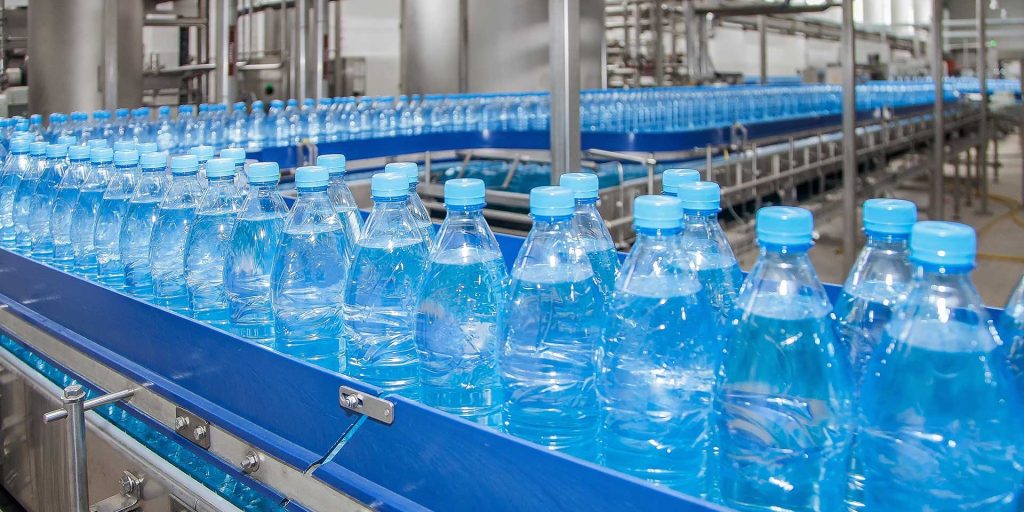
Risks and Challenges of Plastic Recycling: From Collection to Reuse Latest News August 6, 2025 Plastic recycling isn’t a process where you just dump a truck of plastic into the hopper and get granules from the other side. The reality is far more complex. From the moment a plastic item is discarded, it enters a recycling system riddled with challenges that limit its effectiveness and, at times, even create new environmental and human health risks. Collection and Segregation Issues The first hurdle in plastic recycling lies in the collection process. In countries like India, most plastic waste is collected by informal scrap collectors, who doesn’t even know about protective gear and operate under extremely hazardous conditions. Waste is not source-segregated in most homes and commercial spaces, which means recyclable plastics are often contaminated with food waste, hazardous materials, or mixed with non-recyclables, making the task of sorting both labor-intensive and inefficient. Lack of Infrastructure and Standardization Even after collection, the lack of centralized infrastructure and standard practices creates a bottleneck. Different types of plastics require different handling methods, and not all recycling facilities are equipped to process all variants. Thin multilayer packaging, like chips packets or wrappers, are particularly difficult to recycle due to the mixture of plastic types fused together, rendering them nearly unrecyclable with current technology. Health Hazards in Manual Recycling Once the waste reaches recycling units, most of it is processed manually or in poorly ventilated conditions. Workers are exposed to toxic fumes during melting and shredding, and there is direct contact with chemical-laden plastics. These operations, often run without regulatory oversight, can lead to respiratory problems, skin diseases, and long-term health impacts for workers. Environmental Contamination Improper recycling operations can also result in environmental damage. The process consumes energy, generates carbon emissions, and in many informal units, results in the discharge of microplastics and untreated wastewater into local ecosystems. What was meant to reduce pollution can instead contribute to it if not monitored carefully. Low Yield and Market Demand Not all plastic collected for recycling actually gets reused. A large percentage ends up being discarded during processing due to contamination or being economically unviable. Furthermore, recycled plastic is often of inferior quality compared to virgin plastic, limiting its market demand. As a result, recycled plastic finds use only in low-grade products, many of which are again not recyclable. Despite these challenges, plastic recycling remains a critical part of the solution. However, without systemic reform in collection, processing infrastructure, labor safety, and public awareness, it cannot be the sole answer. What’s needed is a circular economy approach that includes reduction, reuse, responsible design, and sustainable alternatives along with recycling. Have you checked these? Risks and Challenges of Plastic Recycling: From Collection to Reuse Plastic recycling isn’t a process where you just dump a truck of plastic into the hopper and… Read More The Hidden Plastic Threat: The Overlooked Challenge The Hidden Plastic Threat: The Overlooked Challenge Latest News August 6, 2025 Kolkata, 6th Aug… Read More ESG Goals, PIBOs & the Role of PROs — Shaping Sustainable Accountability ESG Goals, PIBOs & the Role of PROs — Shaping Sustainable Accountability Latest News August 2… Read More Global Plastic Recycling Crisis — The World Still Recycles Less Than 10% Global Plastic Recycling Crisis — The World Still Recycles Less Than 10% Uncategorized August 2… Read More What You Can Do to Control Plastic Pollution — A Step Towards a Cleaner Tomorrow What You Can Do to Control Plastic Pollution — A Step Towards a Cleaner Tomorrow Uncategorized… Read More Buying Plastic Credits: Is It A Legal Alternative for PIBOs to Meet ESG Goals Buying Plastic Credits: Is It A Legal Route for PIBOs to Meet ESG Goals Latest News July 31, 2025 In… Read More Top Strategies for PIBOs to Meet Their EPR Targets Effectively Top Strategies for PIBOs to Meet Their EPR Targets Effectively Latest News July 31, 2025 In India… Read More New Circular in Plastic Waste Regulation – CPCB Targets 0% Plastic Pollution New Circular in Plastic Waste Regulation – CPCB Targets 0% Plastic Pollution Latest News July 31… Read More Why PIBOs Must Look Beyond Profit to Meet ESG Goals Why PIBOs Must Look Beyond Profit to Meet ESG Goals Latest News July 31, 2025 In an era where… Read More
Latest News

The Hidden Plastic Threat: The Overlooked Challenge

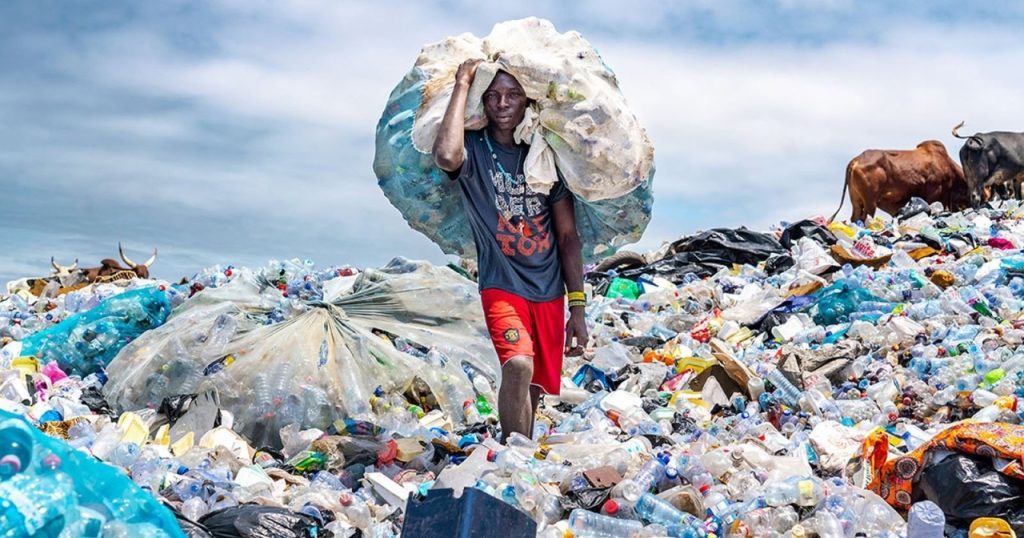
The Hidden Plastic Threat: The Overlooked Challenge Latest News August 6, 2025 Kolkata, 6th Aug 2025: It’s great to see both the government and the citizens are getting aware of plastic pollution and taking positive steps — of course, it’s not enough; but still a positive sign. But, the problem is when we don’t know which plastic isn’t getting counted and making deadly pollution in the environment. These plastics are deeply embedded in everyday life, yet they remain nearly impossible to recycle or neutralize. They break down into micro and nano plastics, leach toxic chemicals, and contribute directly to ecological and human health disasters. Polystyrene – The Foam That Doesn’t Fade Polystyrene, widely used in disposable cups, food containers, and packaging materials, is one of the most persistent forms of plastic waste. Though lightweight, it breaks into tiny fragments that contaminate soil and marine ecosystems. It often contains styrene, a chemical suspected of causing cancer in humans. Despite partial bans, there are no scalable alternatives or recycling methods that make a dent in its widespread usage. Polyvinyl Chloride – The Poison in Pipes Polyvinyl Chloride, or PVC, is another hazardous plastic found in plumbing pipes, medical equipment, toys, and electrical insulation. Its production and disposal release extremely harmful toxins including dioxins and phthalates. Once it enters the environment, it is nearly impossible to remove safely. Unlike other plastics, PVC cannot be effectively recycled due to its complex chemical composition and the presence of toxic additives. Multi-layer Plastics – The Hidden Villain in Every Packet Multi-layer plastics, such as those used in chips packets, shampoo sachets, and food wrappers, represent one of the biggest unresolved challenges in waste management. These are made by combining layers of plastic, foil, and paper—making them impossible to segregate and recycle. They are cheap, non-biodegradable, and dominate the informal packaging market in developing countries. Waste pickers often ignore them, municipalities can’t process them, and no current recycling technology can break them down efficiently. Polycarbonate – Leaching Trouble in Everyday Products Polycarbonate plastics, commonly found in reusable water bottles, baby bottles, and electronic casings, pose a more hidden danger. They are known to leach Bisphenol A (BPA), a chemical linked to hormonal disruption, cancer, and developmental problems. Even BPA-free versions are under scrutiny, as alternative chemicals may carry similar risks. Polycarbonate is rarely recycled and mostly ends up in landfills or incinerators. Despite rising awareness, these plastics continue to flow unchecked into our environment. They persist not because they are irreplaceable, but because we have failed to innovate fast enough. Until we demand and create safer alternatives, reduce our dependence, and rethink our production systems, these toxic plastics will remain a stain on the environment—and our collective conscience. Have you checked these? The Hidden Plastic Threat: The Overlooked Challenge Kolkata, 6th Aug 2025: It’s great to see both the government and the citizens are getting… Read More ESG Goals, PIBOs & the Role of PROs — Shaping Sustainable Accountability ESG Goals, PIBOs & the Role of PROs — Shaping Sustainable Accountability Latest News August 2… Read More Global Plastic Recycling Crisis — The World Still Recycles Less Than 10% Global Plastic Recycling Crisis — The World Still Recycles Less Than 10% Uncategorized August 2… Read More What You Can Do to Control Plastic Pollution — A Step Towards a Cleaner Tomorrow What You Can Do to Control Plastic Pollution — A Step Towards a Cleaner Tomorrow Uncategorized… Read More Buying Plastic Credits: Is It A Legal Alternative for PIBOs to Meet ESG Goals Buying Plastic Credits: Is It A Legal Route for PIBOs to Meet ESG Goals Latest News July 31, 2025 In… Read More Top Strategies for PIBOs to Meet Their EPR Targets Effectively Top Strategies for PIBOs to Meet Their EPR Targets Effectively Latest News July 31, 2025 In India… Read More New Circular in Plastic Waste Regulation – CPCB Targets 0% Plastic Pollution New Circular in Plastic Waste Regulation – CPCB Targets 0% Plastic Pollution Latest News July 31… Read More Why PIBOs Must Look Beyond Profit to Meet ESG Goals Why PIBOs Must Look Beyond Profit to Meet ESG Goals Latest News July 31, 2025 In an era where… Read More ESG Compliance for PIBOs: A Complete Guide for Plastic-Producing Companies in India ESG Compliance for PIBOs: A Complete Guide for Plastic-Producing Companies in India Latest News July… Read More
Latest News

ESG Goals, PIBOs & the Role of PROs — Shaping Sustainable Accountability

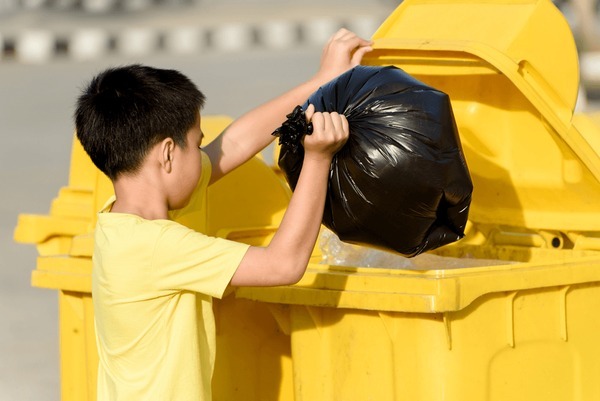
ESG Goals, PIBOs & the Role of PROs — Shaping Sustainable Accountability Latest News August 2, 2025 Kolkata, August 2, 2025: In today’s corporate landscape, Environmental, Social, and Governance (ESG) goals are no longer just aspirational—they are regulatory, reputational, and strategic imperatives. Among the entities most impacted by this evolving paradigm are PIBOs (Producers, Importers, and Brand Owners), who face increasing pressure to reduce the environmental footprint of their plastic usage, particularly in light of India’s Plastic Waste Management Rules (PWM), 2016, and its 2022 amendments. With ESG disclosures becoming mandatory for India’s top 1000 listed companies under the Business Responsibility and Sustainability Reporting (BRSR) framework, PIBOs are now being evaluated on how responsibly they manage their extended producer responsibility (EPR). One of the most critical aspects of ESG for these companies is how effectively they recover and recycle the plastic they introduce into the market. However, compliance with these responsibilities is complex. Fragmented waste collection systems, inconsistent state regulations, and limited recycling infrastructure create operational hurdles. That’s where Producer Responsibility Organizations (PROs) step in as enablers. PROs serve as the crucial link between PIBOs and waste value chains, managing end-to-end plastic waste logistics—from collection and segregation to recycling and reporting. By onboarding recyclers, aggregators, and urban local bodies, PROs ensure PIBOs meet their EPR targets while also aligning with their ESG commitments. Moreover, the involvement of PROs allows PIBOs to produce verifiable data on plastic recovery, crucial for ESG reporting under frameworks like GRI, BRSR, or SASB. This helps build transparency in non-financial disclosures, a growing demand among investors, regulators, and consumers alike. As per a 2024 PwC survey, 46% of consumers globally now prefer sustainable products, reinforcing the reputational and financial benefits of strong ESG alignment. Yet, challenges remain. The lack of standardization in reporting metrics—such as how recycling volume or post-consumer recovery is calculated—creates difficulties in comparing ESG performance across companies. To address this, policy-makers and industry leaders must work together to develop unified ESG and EPR reporting norms. In conclusion, ESG goals are compelling PIBOs to embed sustainability deeply into their operations. While the path is fraught with compliance and logistical challenges, PROs have emerged as vital partners, enabling responsible plastic management and making ESG not just an obligation, but an opportunity for long-term value creation. Have you checked these? ESG Goals, PIBOs & the Role of PROs — Shaping Sustainable Accountability Kolkata, August 2, 2025: In today’s corporate landscape, Environmental, Social, and Governance (ESG)… Read More Global Plastic Recycling Crisis — The World Still Recycles Less Than 10% Global Plastic Recycling Crisis — The World Still Recycles Less Than 10% Uncategorized August 2… Read More What You Can Do to Control Plastic Pollution — A Step Towards a Cleaner Tomorrow What You Can Do to Control Plastic Pollution — A Step Towards a Cleaner Tomorrow Uncategorized… Read More Buying Plastic Credits: Is It A Legal Alternative for PIBOs to Meet ESG Goals Buying Plastic Credits: Is It A Legal Route for PIBOs to Meet ESG Goals Latest News July 31, 2025 In… Read More Top Strategies for PIBOs to Meet Their EPR Targets Effectively Top Strategies for PIBOs to Meet Their EPR Targets Effectively Latest News July 31, 2025 In India… Read More New Circular in Plastic Waste Regulation – CPCB Targets 0% Plastic Pollution New Circular in Plastic Waste Regulation – CPCB Targets 0% Plastic Pollution Latest News July 31… Read More Why PIBOs Must Look Beyond Profit to Meet ESG Goals Why PIBOs Must Look Beyond Profit to Meet ESG Goals Latest News July 31, 2025 In an era where… Read More ESG Compliance for PIBOs: A Complete Guide for Plastic-Producing Companies in India ESG Compliance for PIBOs: A Complete Guide for Plastic-Producing Companies in India Latest News July… Read More Plastic Recycling Plants: A Breath of Fresh Air for PIBOs After CPCB’s Zero-Waste Warning Plastic Recycling Plants: A Breath of Fresh Air for PIBOs After CPCB’s Zero-Waste Warning Latest… Read More
Latest News

Global Plastic Recycling Crisis — The World Still Recycles Less Than 10%

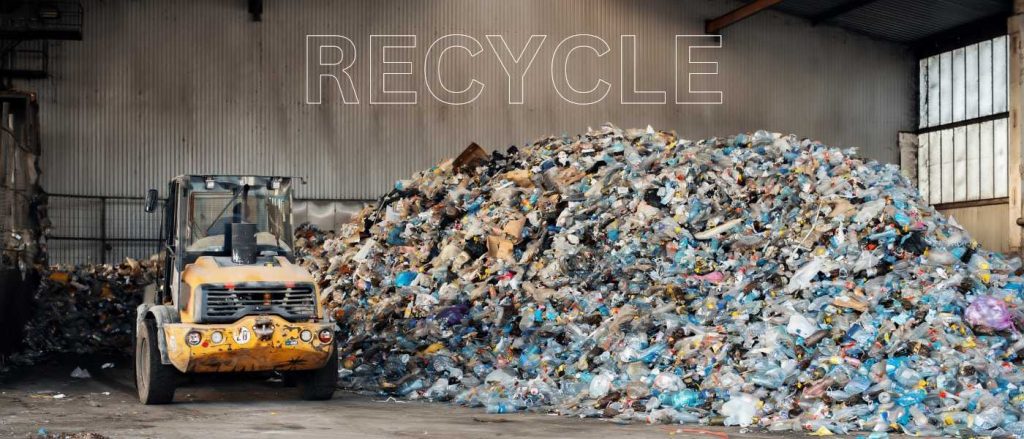
Global Plastic Recycling Crisis — The World Still Recycles Less Than 10% Uncategorized August 2, 2025 Kolkata, August 2, 2025: Despite increasing awareness and global efforts to curb plastic pollution, the world continues to face a deeply troubling truth — plastic recycling rates remain stagnant at under 10%, with the vast majority of new plastic still produced from fossil fuels. According to a comprehensive new study by Tsinghua University, published in Communications Earth & Environment, the global recycling rate in 2022 was just 9.5%, showing negligible progress over the past decade. The study, which analyzed data from national statistics, industry reports, and global databases, offers the first full-scale mapping of the plastics lifecycle — from production to disposal. Out of 400 million tones of plastic produced globally in 2022, only a fraction was recycled. The rest was made using virgin materials — primarily oil and gas — further exacerbating climate change and undermining efforts to build a circular economy. One of the most striking insights from the research is the persistent economic barrier: producing new plastic is still cheaper than recycling used plastic. This discourages investment in sustainable recycling infrastructure and innovation. Technical challenges like contamination, complex additives, and mixed material packaging also limit recyclability. In the U.S., which is the highest per-capita consumer of plastic, only 5% of plastic was actually reused. The study also observed a shift in how plastic waste is disposed of. Although landfill still accounts for 40% of global plastic waste, incineration is on the rise — especially in the European Union, China, and Japan — now handling about a third of all plastic waste. However, this method raises serious concerns due to the release of harmful toxins and its role in climate emissions. Importantly, informal and unregulated disposal methods — like open burning, particularly in lower-income nations — are often overlooked in official data. A related study published in Nature highlights that such practices contribute heavily to environmental damage and health risks, sometimes causing as much harm as plastic littering itself. As the world gears up for the next round of plastic treaty negotiations in Geneva this August, these findings serve as a powerful wake-up call. Without urgent reforms in production, policy, and consumer behavior, the plastic crisis may spiral beyond control. It is time for global cooperation, industry accountability, and individual responsibility to converge in action — before it’s too late. Have you checked these? Global Plastic Recycling Crisis — The World Still Recycles Less Than 10% Global Plastic Recycling Crisis — The World Still Recycles Less Than 10% Uncategorized August 2… Read More What You Can Do to Control Plastic Pollution — A Step Towards a Cleaner Tomorrow What You Can Do to Control Plastic Pollution — A Step Towards a Cleaner Tomorrow Uncategorized… Read More Buying Plastic Credits: Is It A Legal Alternative for PIBOs to Meet ESG Goals Buying Plastic Credits: Is It A Legal Route for PIBOs to Meet ESG Goals Latest News July 31, 2025 In… Read More Top Strategies for PIBOs to Meet Their EPR Targets Effectively Top Strategies for PIBOs to Meet Their EPR Targets Effectively Latest News July 31, 2025 In India… Read More New Circular in Plastic Waste Regulation – CPCB Targets 0% Plastic Pollution New Circular in Plastic Waste Regulation – CPCB Targets 0% Plastic Pollution Latest News July 31… Read More Why PIBOs Must Look Beyond Profit to Meet ESG Goals Why PIBOs Must Look Beyond Profit to Meet ESG Goals Latest News July 31, 2025 In an era where… Read More ESG Compliance for PIBOs: A Complete Guide for Plastic-Producing Companies in India ESG Compliance for PIBOs: A Complete Guide for Plastic-Producing Companies in India Latest News July… Read More Plastic Recycling Plants: A Breath of Fresh Air for PIBOs After CPCB’s Zero-Waste Warning Plastic Recycling Plants: A Breath of Fresh Air for PIBOs After CPCB’s Zero-Waste Warning Latest… Read More
Latest News

What You Can Do to Control Plastic Pollution — A Step Towards a Cleaner Tomorrow

What You Can Do to Control Plastic Pollution — A Step Towards a Cleaner Tomorrow Uncategorized August 2, 2025 While plastic has made  our life simple in many aspects, it has become one of the biggest threats to environment today. From choking marine life to contaminating our soil and food, the damage is everywhere. While we all have participated in polluting the environment gradually, we all can also participate in cleaning it! At Eco Formers, we believe that true change begins at the grassroots level. Here’s how citizens like you can play a vital role in reducing plastic pollution. Refuse Single-Use Plastics Say no to plastic straws, spoons, carry bags, and water bottles. Always carry your own cloth bag, refillable bottle, and reusable containers. Small choices like these reduce the demand for disposable plastic. Reduce and Reuse Before buying new items, ask yourself if you truly need them. Repair broken products instead of replacing them. Choose durable, reusable goods over flimsy plastic alternatives. Recycle Responsibly Segregate your waste — keep dry waste (plastics, paper, metals) separate from wet waste (kitchen waste). Clean plastic items before putting them into recycling bins to avoid contamination. If your locality lacks recycling facilities, connect with nearby recyclers or initiatives like Eco Formers. Support Local Recycling Units Encourage and support local plastic recycling plants. Buy products made from recycled plastic and spread awareness about organizations working towards plastic waste management. Participate in Clean-Up Drives Join or organize community clean-up drives in your neighborhood, local markets, parks, or water bodies. These events not only clean the environment but also spread awareness. Educate and Inspire Others Talk to your friends, family, and neighbors about the harmful effects of plastic and how they can make better choices. Use social media to spread the message. Awareness leads to action. Support Policy Changes Support laws and local rules that aim to ban or reduce plastic usage. Encourage local businesses to shift to eco-friendly packaging and practices. Plastic pollution didn’t happen overnight — and it won’t be solved overnight either. But with steady effort from citizens, change is not only possible, it’s inevitable. At Eco Formers, we stand with every individual who chooses to live consciously and act responsibly. Together, let’s build a cleaner, greener, plastic-free future. Want to contribute more? Reach out to Eco Formers and become a volunteer of Eco Formers to be a part of our Plastic Free Environment mission. Have you checked these? What You Can Do to Control Plastic Pollution — A Step Towards a Cleaner Tomorrow While plastic has made  our life simple in many aspects, it has become one of the biggest… Read More Buying Plastic Credits: Is It A Legal Alternative for PIBOs to Meet ESG Goals Buying Plastic Credits: Is It A Legal Route for PIBOs to Meet ESG Goals Latest News July 31, 2025 In… Read More Top Strategies for PIBOs to Meet Their EPR Targets Effectively Top Strategies for PIBOs to Meet Their EPR Targets Effectively Latest News July 31, 2025 In India… Read More New Circular in Plastic Waste Regulation – CPCB Targets 0% Plastic Pollution New Circular in Plastic Waste Regulation – CPCB Targets 0% Plastic Pollution Latest News July 31… Read More Why PIBOs Must Look Beyond Profit to Meet ESG Goals Why PIBOs Must Look Beyond Profit to Meet ESG Goals Latest News July 31, 2025 In an era where… Read More ESG Compliance for PIBOs: A Complete Guide for Plastic-Producing Companies in India ESG Compliance for PIBOs: A Complete Guide for Plastic-Producing Companies in India Latest News July… Read More Plastic Recycling Plants: A Breath of Fresh Air for PIBOs After CPCB’s Zero-Waste Warning Plastic Recycling Plants: A Breath of Fresh Air for PIBOs After CPCB’s Zero-Waste Warning Latest… Read More
Latest News

Buying Plastic Credits: Is It A Legal Alternative for PIBOs to Meet ESG Goals

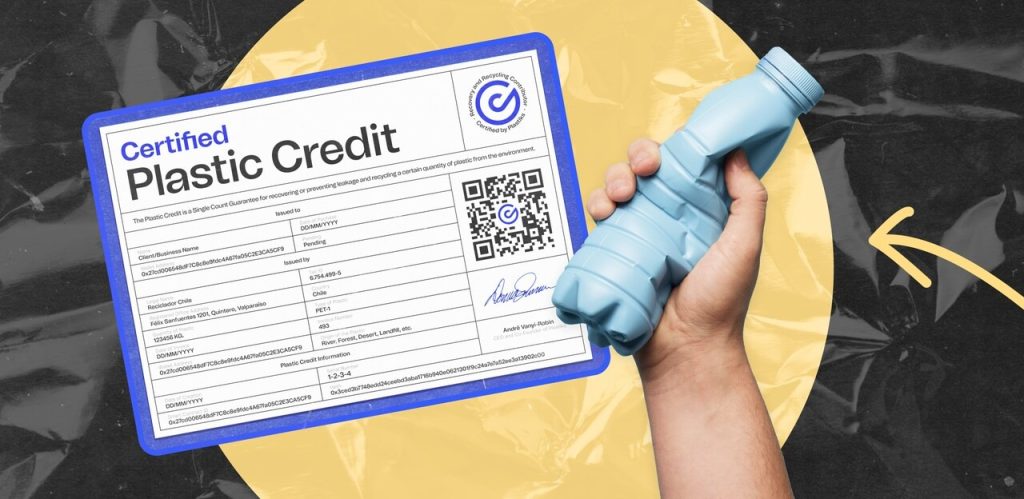
Buying Plastic Credits: Is It A Legal Route for PIBOs to Meet ESG Goals Latest News July 31, 2025 In today’s climate-conscious economy, Extended Producer Responsibility (EPR) has emerged as a critical framework pushing brands to manage the plastic waste they generate. For Producers, Importers, and Brand Owners (PIBOs) in India, this means not just reducing plastic usage, but also ensuring it’s collected and recycled as per legal norms. While direct collection and recycling remain the preferred methods, buying plastic credit certificates is now a legitimate, government-recognized alternative — and one that directly supports ESG compliance. What Are Plastic Credits? Plastic credits are officially recognized certificates issued by CPCB-registered recyclers or PROs (Producer Responsibility Organizations). Each certificate confirms that a specific quantity of post-consumer plastic has been collected and processed responsibly — usually 1 credit = 1 kg of plastic. Legal Backing The Plastic Waste Management (Amendment) Rules, 2022 explicitly allow PIBOs to purchase plastic credits to meet their annual recycling obligations. However, this method should be used only when direct recycling isn’t feasible, such as in cases of operational limits, geographic challenges, or lack of infrastructure. ESG Implications Using plastic credits aligns with environmental, social, and governance (ESG) goals in the following ways: By legally acquiring these credits, companies demonstrate that they’re taking active steps — not just pledging — toward sustainable practices. How to Buy Plastic Credits A Word of Caution Plastic credit buying is not a shortcut. It’s a last-mile support mechanism to complement — not replace — active waste management practices. Over-reliance on it without meaningful reduction and recycling efforts may be frowned upon by regulators and ESG auditors. Have you checked these? Buying Plastic Credits: Is It A Legal Route for PIBOs to Meet ESG Goals In today’s climate-conscious economy, Extended Producer Responsibility (EPR) has emerged as a… Read More Top Strategies for PIBOs to Meet Their EPR Targets Effectively Top Strategies for PIBOs to Meet Their EPR Targets Effectively Latest News July 31, 2025 In India… Read More New Circular in Plastic Waste Regulation – CPCB Targets 0% Plastic Pollution New Circular in Plastic Waste Regulation – CPCB Targets 0% Plastic Pollution Latest News July 31… Read More Why PIBOs Must Look Beyond Profit to Meet ESG Goals Why PIBOs Must Look Beyond Profit to Meet ESG Goals Latest News July 31, 2025 In an era where… Read More ESG Compliance for PIBOs: A Complete Guide for Plastic-Producing Companies in India ESG Compliance for PIBOs: A Complete Guide for Plastic-Producing Companies in India Latest News July… Read More Plastic Recycling Plants: A Breath of Fresh Air for PIBOs After CPCB’s Zero-Waste Warning Plastic Recycling Plants: A Breath of Fresh Air for PIBOs After CPCB’s Zero-Waste Warning Latest… Read More

Latest News

Top Strategies for PIBOs to Meet Their EPR Targets Effectively

Top Strategies for PIBOs to Meet Their EPR Targets Effectively Latest News July 31, 2025 In India, Extended Producer Responsibility (EPR) isn’t just about ticking boxes—it’s a legal and environmental mandate for Producers, Importers, and Brand Owners (PIBOs) to manage the plastic waste they generate. With the Central Pollution Control Board (CPCB) tightening regulations, failing to meet EPR targets can result in penalties, registration suspension, or even product bans. So how can PIBOs stay compliant while building a truly sustainable brand? Here are the most effective ways to meet your EPR targets: Partner with Certified PROs Producer Responsibility Organizations (PROs) are experts in collecting and processing plastic waste on behalf of PIBOs. Working with CPCB-approved PROs ensures reliable documentation, audit readiness, and actual waste traceability. Set Realistic, Phased Targets EPR obligations are calculated based on the plastic put into the market in previous years. PIBOs should plan collection and recycling volumes in phases across the year to avoid last-minute non-compliance. Leverage Technology and EPR Platforms Digital tools and verified EPR platforms help track real-time progress, manage documentation, and ensure smooth coordination with recyclers and aggregators. This reduces manual errors and increases compliance transparency. Use Recycled Plastic in Packaging As per the phased CPCB guidelines, increasing the share of recycled content in packaging helps meet both EPR and sustainability goals. This also enhances the brand’s ESG performance. Diversify Waste Collection Sources Don’t rely on a single city or vendor. Expand partnerships with waste pickers, ULBs (urban local bodies), and NGOs to ensure consistent waste supply for recycling, especially in Tier 2 and Tier 3 cities. Conduct Internal Awareness & Audits Train internal teams about EPR rules, documentation, and partner verification. Routine internal audits help identify gaps early and ensure that reports submitted are accurate. Have you checked these? Top Strategies for PIBOs to Meet Their EPR Targets Effectively In India, Extended Producer Responsibility (EPR) isn’t just about ticking boxes—it’s a legal and… Read More New Circular in Plastic Waste Regulation – CPCB Targets 0% Plastic Pollution New Circular in Plastic Waste Regulation – CPCB Targets 0% Plastic Pollution Latest News July 31… Read More Why PIBOs Must Look Beyond Profit to Meet ESG Goals Why PIBOs Must Look Beyond Profit to Meet ESG Goals Latest News July 31, 2025 In an era where… Read More ESG Compliance for PIBOs: A Complete Guide for Plastic-Producing Companies in India ESG Compliance for PIBOs: A Complete Guide for Plastic-Producing Companies in India Latest News July… Read More Plastic Recycling Plants: A Breath of Fresh Air for PIBOs After CPCB’s Zero-Waste Warning Plastic Recycling Plants: A Breath of Fresh Air for PIBOs After CPCB’s Zero-Waste Warning Latest… Read More

Scroll to Top