Buying Plastic Credits: Is It A Legal Alternative for PIBOs to Meet ESG Goals

In today’s climate-conscious economy, Extended Producer Responsibility (EPR) has emerged as a critical framework pushing brands to manage the plastic waste they generate. For Producers, Importers, and Brand Owners (PIBOs) in India, this means not just reducing plastic usage, but also ensuring it’s collected and recycled as per legal norms. While direct collection and recycling remain the preferred methods, buying plastic credit certificates is now a legitimate, government-recognized alternative — and one that directly supports ESG compliance.

What Are Plastic Credits?

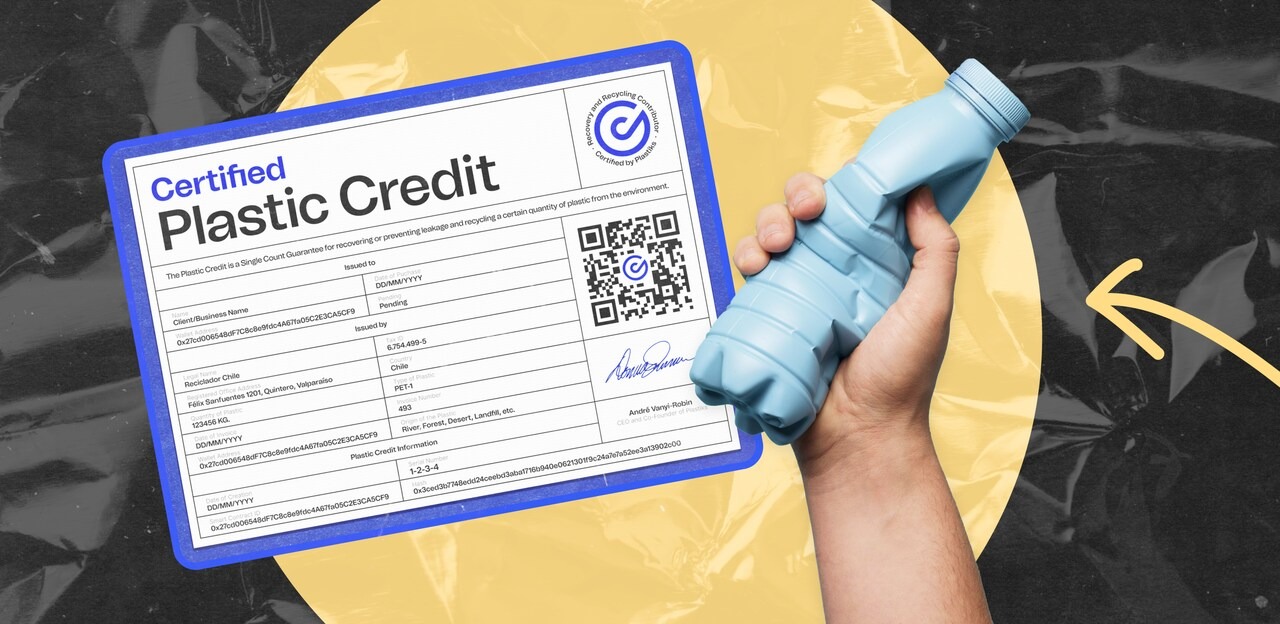
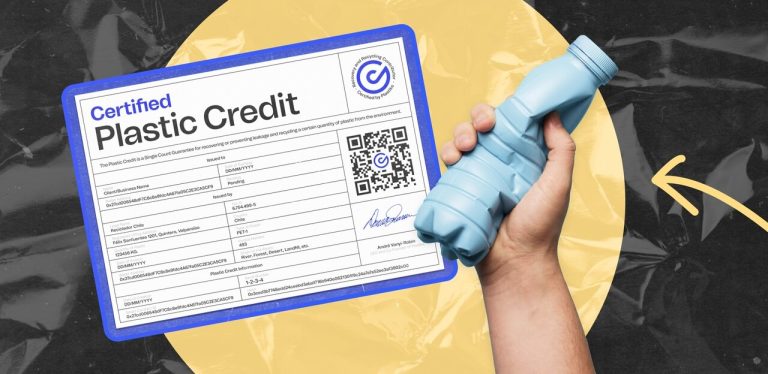
Plastic credits are officially recognized certificates issued by CPCB-registered recyclers or PROs (Producer Responsibility Organizations). Each certificate confirms that a specific quantity of post-consumer plastic has been collected and processed responsibly — usually 1 credit = 1 kg of plastic.

Legal Backing
The Plastic Waste Management (Amendment) Rules, 2022 explicitly allow PIBOs to purchase plastic credits to meet their annual recycling obligations. However, this method should be used only when direct recycling isn’t feasible, such as in cases of operational limits, geographic challenges, or lack of infrastructure.

ESG Implications

Using plastic credits aligns with environmental, social, and governance (ESG) goals in the following ways:

  • Environmental: Ensures plastic waste is responsibly managed and diverted from landfills or oceans.
  • Social: Empowers a wide network of recyclers and waste pickers who form the backbone of India’s informal waste economy.
  • Governance: Builds transparency in compliance reporting, audit trails, and third-party verification.

By legally acquiring these credits, companies demonstrate that they’re taking active steps — not just pledging — toward sustainable practices.

How to Buy Plastic Credits

  1. Engage a CPCB-registered PWP or PRO.
  2. Ensure proper documentation is shared: credit certificate, proof of recycling, and recycler’s registration.
  3. Upload on the EPR portal for recognition under government norms.
  4. Maintain records for audits and ESG reporting.

A Word of Caution

Plastic credit buying is not a shortcut. It’s a last-mile support mechanism to complement — not replace — active waste management practices. Over-reliance on it without meaningful reduction and recycling efforts may be frowned upon by regulators and ESG auditors.

Have you checked these?

How Eco Formers is Driving Sustainable ERP Compliance

How Eco Formers is Driving Sustainable ERP Compliance Latest News August 12, 2025 Plastic pollution...
Phasing Out Non-Recyclable Plastics – The Road to a Cleaner Future

Phasing Out Non-Recyclable Plastics – The Road to a Cleaner Future Latest News August 9, 2025...
Recycle Plastic or Reduce Usage – How Governments Are Taming Plastic Pollution

Recycle Plastic or Reduce Usage – How Governments Are Taming Plastic Pollution Latest News August 8...
Risks and Challenges of Plastic Recycling: From Collection to Reuse

Risks and Challenges of Plastic Recycling: From Collection to Reuse Latest News August 6, 2025...

The Hidden Plastic Threat: The Overlooked Challenge

The Hidden Plastic Threat: The Overlooked Challenge Latest News August 6, 2025 Kolkata, 6th Aug...
ESG Goals, PIBOs & the Role of PROs — Shaping Sustainable Accountability

ESG Goals, PIBOs & the Role of PROs — Shaping Sustainable Accountability Latest News August 2...
Global Plastic Recycling Crisis — The World Still Recycles Less Than 10%

Global Plastic Recycling Crisis — The World Still Recycles Less Than 10% Uncategorized August 2...
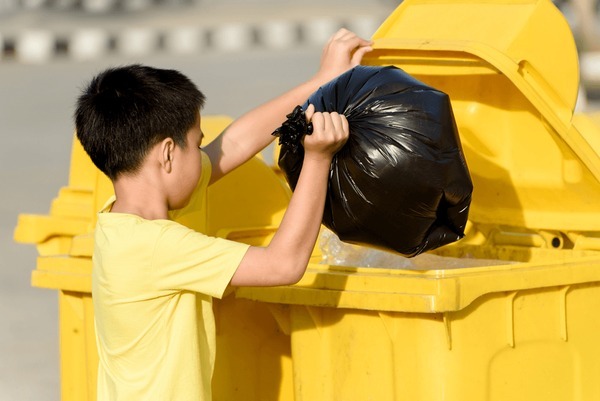
What You Can Do to Control Plastic Pollution — A Step Towards a Cleaner Tomorrow

What You Can Do to Control Plastic Pollution — A Step Towards a Cleaner Tomorrow Uncategorized...
Buying Plastic Credits: Is It A Legal Alternative for PIBOs to Meet ESG Goals

Buying Plastic Credits: Is It A Legal Route for PIBOs to Meet ESG Goals Latest News July 31, 2025 In...
Scroll to Top