Plastic recycling isn’t a process where you just dump a truck of plastic into the hopper and get granules from the other side. The reality is far more complex. From the moment a plastic item is discarded, it enters a recycling system riddled with challenges that limit its effectiveness and, at times, even create new environmental and human health risks.
Collection and Segregation Issues
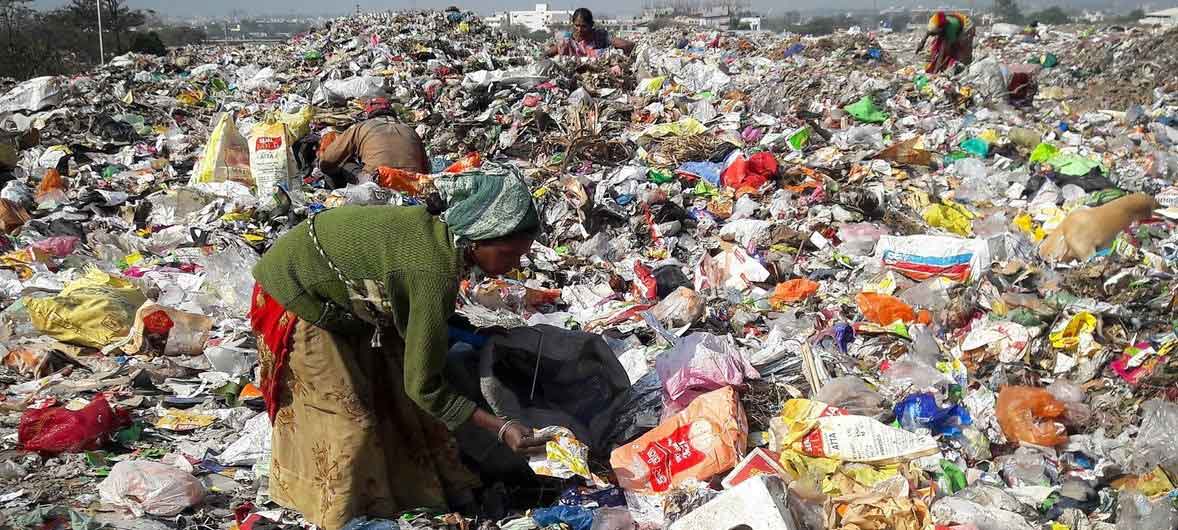
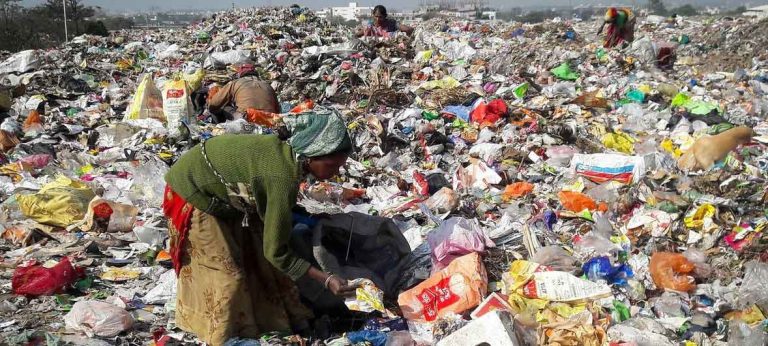
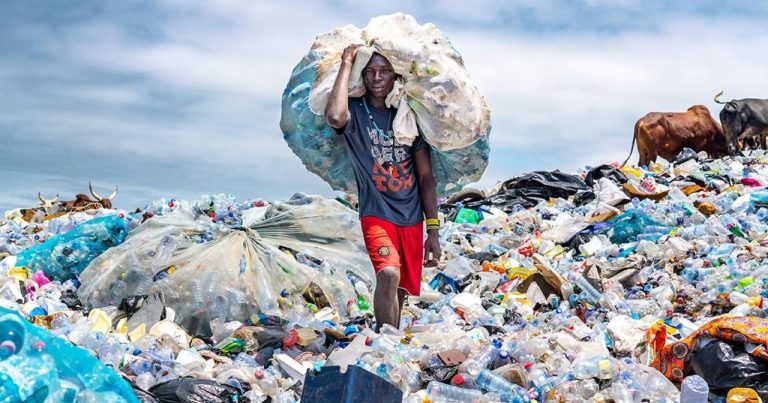
The first hurdle in plastic recycling lies in the collection process. In countries like India, most plastic waste is collected by informal scrap collectors, who doesn’t even know about protective gear and operate under extremely hazardous conditions. Waste is not source-segregated in most homes and commercial spaces, which means recyclable plastics are often contaminated with food waste, hazardous materials, or mixed with non-recyclables, making the task of sorting both labor-intensive and inefficient.
Lack of Infrastructure and Standardization
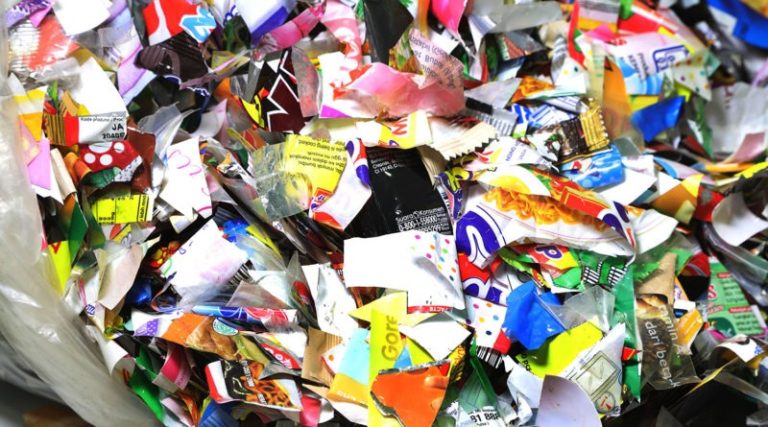
Even after collection, the lack of centralized infrastructure and standard practices creates a bottleneck. Different types of plastics require different handling methods, and not all recycling facilities are equipped to process all variants. Thin multilayer packaging, like chips packets or wrappers, are particularly difficult to recycle due to the mixture of plastic types fused together, rendering them nearly unrecyclable with current technology.
Health Hazards in Manual Recycling
Once the waste reaches recycling units, most of it is processed manually or in poorly ventilated conditions. Workers are exposed to toxic fumes during melting and shredding, and there is direct contact with chemical-laden plastics. These operations, often run without regulatory oversight, can lead to respiratory problems, skin diseases, and long-term health impacts for workers.
Environmental Contamination
Improper recycling operations can also result in environmental damage. The process consumes energy, generates carbon emissions, and in many informal units, results in the discharge of microplastics and untreated wastewater into local ecosystems. What was meant to reduce pollution can instead contribute to it if not monitored carefully.
Low Yield and Market Demand
Not all plastic collected for recycling actually gets reused. A large percentage ends up being discarded during processing due to contamination or being economically unviable. Furthermore, recycled plastic is often of inferior quality compared to virgin plastic, limiting its market demand. As a result, recycled plastic finds use only in low-grade products, many of which are again not recyclable.
Despite these challenges, plastic recycling remains a critical part of the solution. However, without systemic reform in collection, processing infrastructure, labor safety, and public awareness, it cannot be the sole answer. What’s needed is a circular economy approach that includes reduction, reuse, responsible design, and sustainable alternatives along with recycling.