Top Strategies for PIBOs to Meet Their EPR Targets Effectively
- Latest News
- July 31, 2025
In India, Extended Producer Responsibility (EPR) isn’t just about ticking boxes—it’s a legal and environmental mandate for Producers, Importers, and Brand Owners (PIBOs) to manage the plastic waste they generate. With the Central Pollution Control Board (CPCB) tightening regulations, failing to meet EPR targets can result in penalties, registration suspension, or even product bans.
So how can PIBOs stay compliant while building a truly sustainable brand? Here are the most effective ways to meet your EPR targets:
Partner with Certified PROs
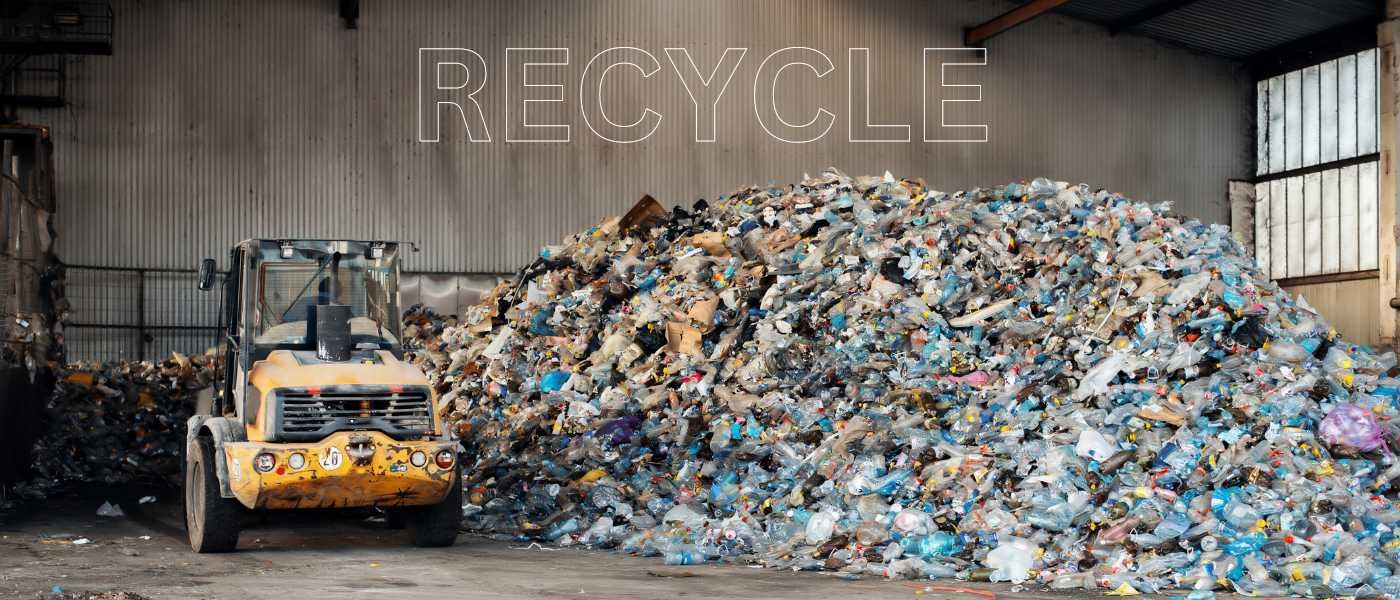
Producer Responsibility Organizations (PROs) are experts in collecting and processing plastic waste on behalf of PIBOs. Working with CPCB-approved PROs ensures reliable documentation, audit readiness, and actual waste traceability.
Set Realistic, Phased Targets
EPR obligations are calculated based on the plastic put into the market in previous years. PIBOs should plan collection and recycling volumes in phases across the year to avoid last-minute non-compliance.
Leverage Technology and EPR Platforms
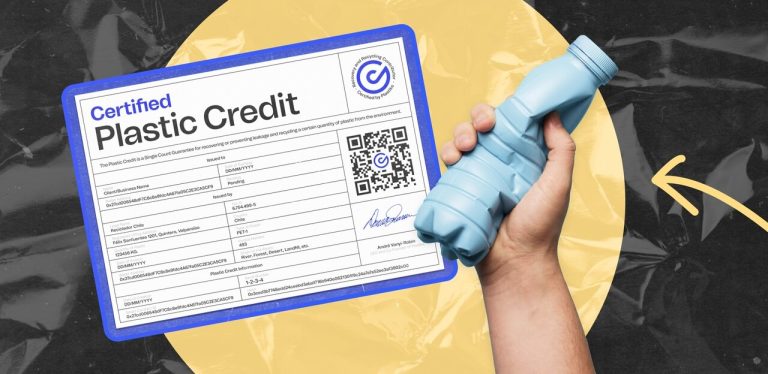
Digital tools and verified EPR platforms help track real-time progress, manage documentation, and ensure smooth coordination with recyclers and aggregators. This reduces manual errors and increases compliance transparency.
Use Recycled Plastic in Packaging
As per the phased CPCB guidelines, increasing the share of recycled content in packaging helps meet both EPR and sustainability goals. This also enhances the brand’s ESG performance.
Diversify Waste Collection Sources
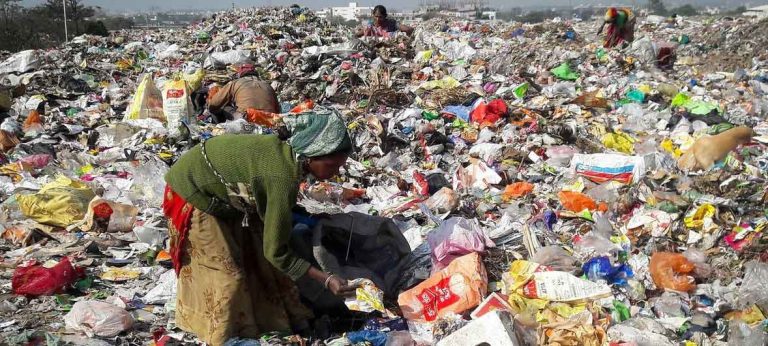
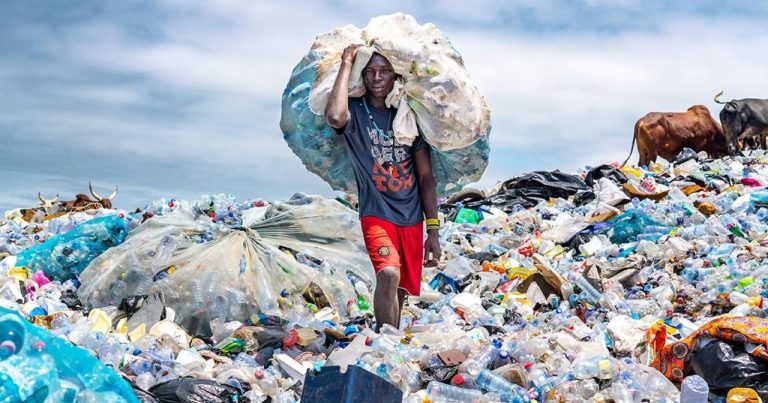
Don’t rely on a single city or vendor. Expand partnerships with waste pickers, ULBs (urban local bodies), and NGOs to ensure consistent waste supply for recycling, especially in Tier 2 and Tier 3 cities.
Conduct Internal Awareness & Audits
Train internal teams about EPR rules, documentation, and partner verification. Routine internal audits help identify gaps early and ensure that reports submitted are accurate.