Phasing Out Non-Recyclable Plastics – The Road to a Cleaner Future

Plastics have become indispensable in modern life, but not all plastics are created equal. While certain types can be recycled multiple times, others are either economically unviable to recycle or technically impossible due to their chemical composition. These non-recyclable plastics are a significant contributor to environmental pollution, persisting for decades in landfills and waterways.

Types of Non-Recyclable Plastics

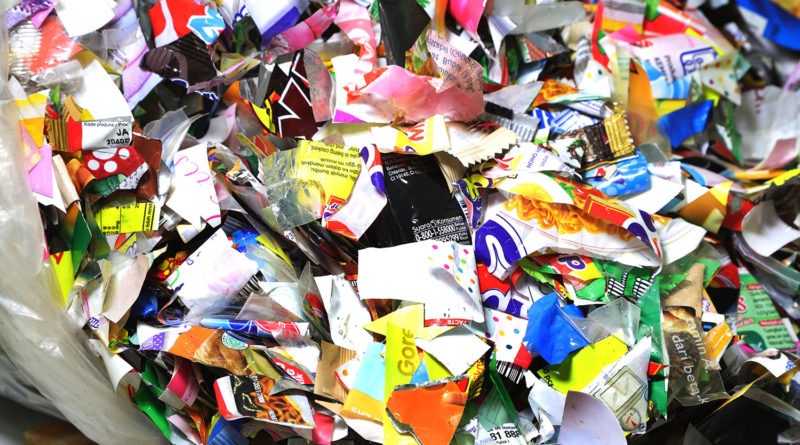
One of the most common non-recyclable plastics is multi-layered packaging (MLP), often used in chips packets, biscuit wrappers, and instant noodle packaging. These combine layers of different materials such as plastic and aluminum, making separation and recycling extremely challenging.

Another example is thermoset plastics, like those found in melamine utensils, electrical switches, and epoxy resins. Once hardened, these plastics cannot be remolded or recycled due to their cross-linked chemical structure.

Polystyrene foam, commonly called Styrofoam, is also problematic. Used in disposable cups, trays, and packaging peanuts, it is lightweight and bulky, making collection and recycling inefficient.

PVC (Polyvinyl Chloride), used in certain pipes, window frames, and synthetic leather, contains chlorine and other additives that release harmful toxins during recycling, posing health and environmental risks.

Why Removal from the Market is Necessary

Non-recyclable plastics not only occupy landfill space but also break down into microplastics, contaminating soil, water, and the food chain. The continued use of such materials undermines global efforts to establish a circular economy for plastics. Removing them from the market is, therefore, essential to ensure sustainable waste management.

Strategies to Phase Out Non-Recyclable Plastics

Governments can implement regulatory bans or phase-out timelines for products containing non-recyclable plastics. The Indian government’s ban on certain single-use plastics is an example of such intervention.

Encouraging research and development of alternative materials is another critical step. Compostable bioplastics, recyclable mono-material packaging, and edible films are emerging as viable replacements.

Extended Producer Responsibility (EPR) can compel manufacturers to redesign packaging with recyclability in mind, making companies accountable for the end-of-life management of their products.

Public awareness is equally important. Consumers must be educated to identify non-recyclable plastics and choose eco-friendly alternatives. Clear labeling on packaging can help people make informed decisions.

Have you checked these?

How Eco Formers is Driving Sustainable ERP Compliance

How Eco Formers is Driving Sustainable ERP Compliance Latest News August 12, 2025 Plastic pollution...
Phasing Out Non-Recyclable Plastics – The Road to a Cleaner Future

Phasing Out Non-Recyclable Plastics – The Road to a Cleaner Future Latest News August 9, 2025...
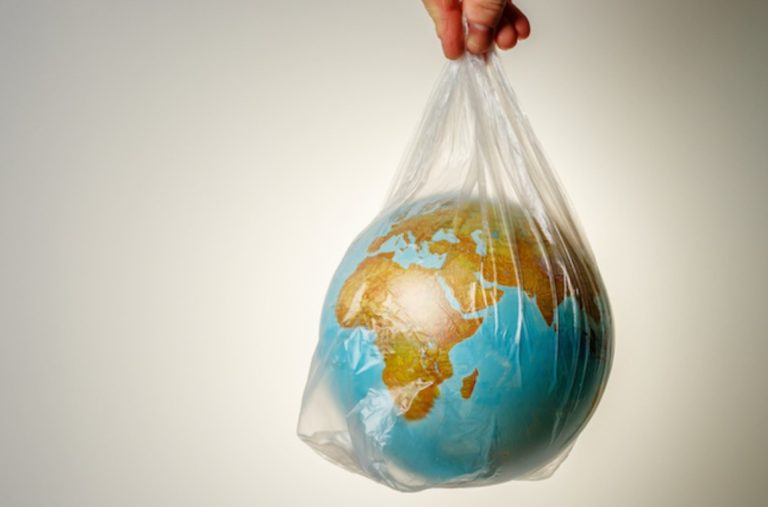
Recycle Plastic or Reduce Usage – How Governments Are Taming Plastic Pollution

Recycle Plastic or Reduce Usage – How Governments Are Taming Plastic Pollution Latest News August 8...
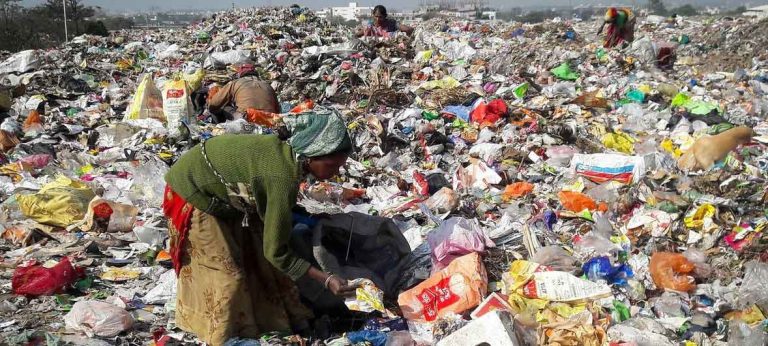
Risks and Challenges of Plastic Recycling: From Collection to Reuse

Risks and Challenges of Plastic Recycling: From Collection to Reuse Latest News August 6, 2025...
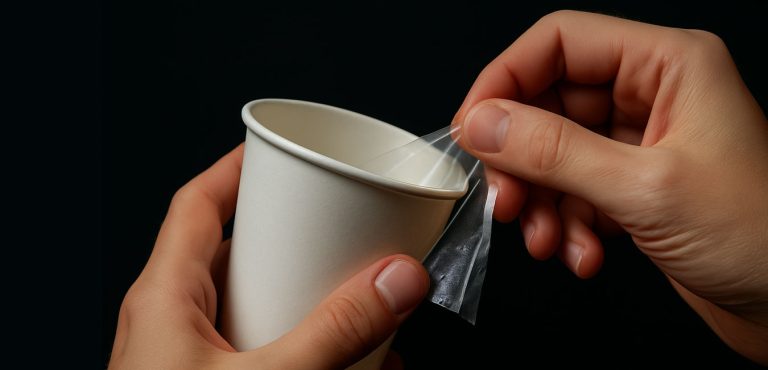
The Hidden Plastic Threat: The Overlooked Challenge

The Hidden Plastic Threat: The Overlooked Challenge Latest News August 6, 2025 Kolkata, 6th Aug...
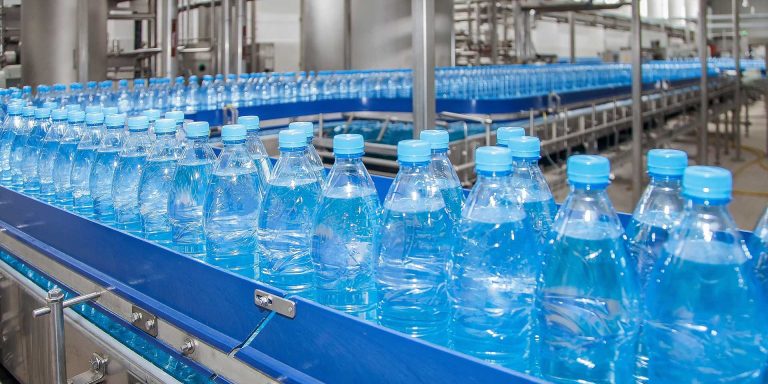
ESG Goals, PIBOs & the Role of PROs — Shaping Sustainable Accountability

ESG Goals, PIBOs & the Role of PROs — Shaping Sustainable Accountability Latest News August 2...
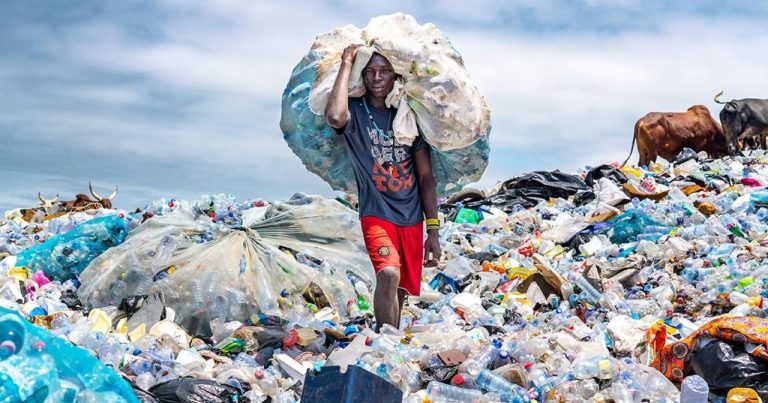
Global Plastic Recycling Crisis — The World Still Recycles Less Than 10%

Global Plastic Recycling Crisis — The World Still Recycles Less Than 10% Uncategorized August 2...
What You Can Do to Control Plastic Pollution — A Step Towards a Cleaner Tomorrow

What You Can Do to Control Plastic Pollution — A Step Towards a Cleaner Tomorrow Uncategorized...
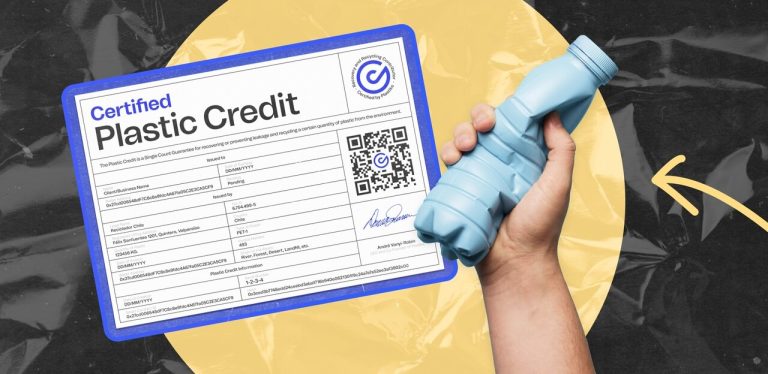
Buying Plastic Credits: Is It A Legal Alternative for PIBOs to Meet ESG Goals

Buying Plastic Credits: Is It A Legal Route for PIBOs to Meet ESG Goals Latest News July 31, 2025 In...
Scroll to Top