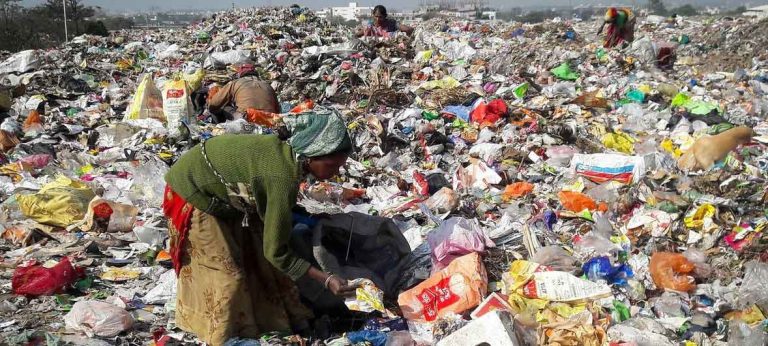
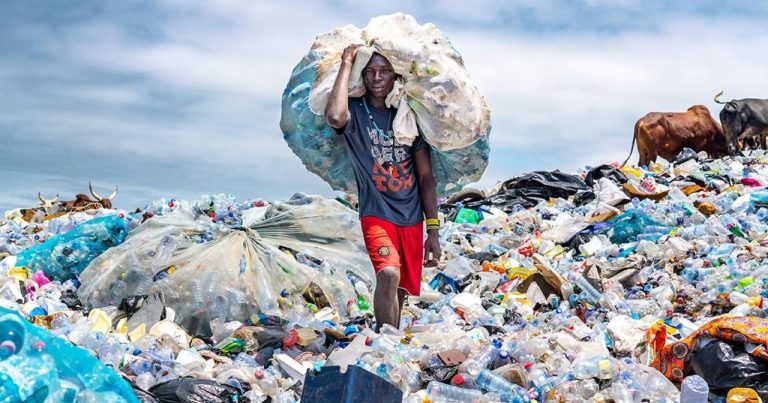
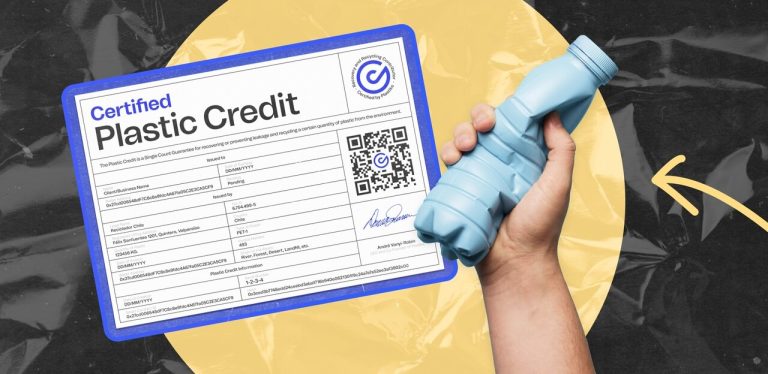
Users, PIBOs, and the government have now become aware of the threats caused by plastic pollution. However, most remain clueless, as cleaning up plastic has become a real challenge — both in terms of process and economic feasibility.
The problem is, we cannot step back from this situation. We all must need to join hands to tame down this extremely useful, yet threatening material. Around the world, governments are grappling with the challenge of curbing plastic waste through a combination of recycling initiatives and measures to reduce consumption.
Balancing Recycling and Reduction
While recycling has long been considered the primary solution, it is now clear that recycling alone cannot solve the plastic crisis. Globally, only a fraction of plastic waste actually gets recycled, with the rest ending up in landfills, waterways, or the open environment. Recognizing this, governments are shifting their strategies to include both better recycling systems and policies that limit plastic production and use.
Policy Interventions
Several countries have introduced bans or heavy restrictions on single-use plastics like carry bags, straws, and cutlery. In India, for example, the government implemented a nationwide ban on certain single-use plastic items in 2022. The European Union has a similar directive targeting the top ten single-use plastic products that most commonly pollute beaches. These bans aim to reduce the amount of plastic entering the waste stream in the first place.
Strengthening Recycling Ecosystems
At the same time, governments are investing in improving recycling infrastructure. This includes setting up modern material recovery facilities, supporting plastic-to-fuel innovations, and mandating the use of recycled content in packaging. In countries like Japan and Germany, strong segregation rules and Extended Producer Responsibility (EPR) policies ensure that companies remain accountable for the plastic they introduce into the market.
Public Awareness and Behavioral Change
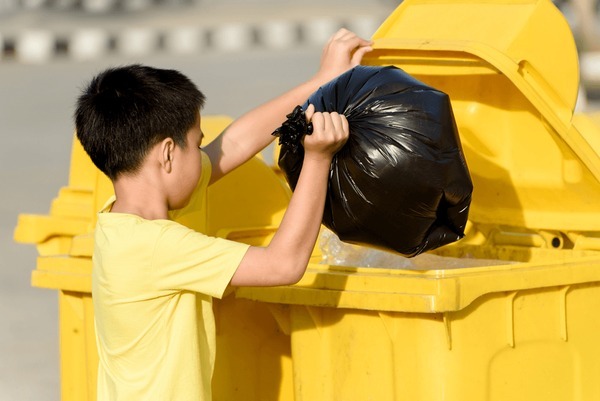
Policies alone are not enough; people must also be willing to change their habits. Public awareness campaigns, school education programs, and incentives for eco-friendly practices are helping citizens understand their role in reducing plastic pollution. For example, deposit-return schemes for plastic bottles have significantly boosted recycling rates in many European nations.
The Road Ahead
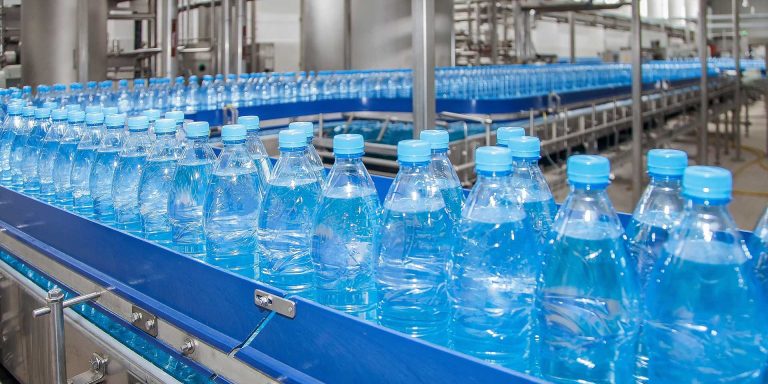
The most effective approach to plastic pollution involves a blend of reduction, reuse, and recycling. Governments are recognizing the need to not only manage plastic waste but also reduce dependency on virgin plastics. Through tighter regulations, industry accountability, and citizen participation, the fight against plastic pollution is slowly gaining ground.
Ultimately, curbing plastic pollution is not just a government responsibility — it is a collective effort. A future free of plastic waste will require cooperation between policymakers, businesses, and individuals to rethink how we produce, use, and dispose of this material.