Kolkata, 6th Aug 2025: It’s great to see both the government and the citizens are getting aware of plastic pollution and taking positive steps — of course, it’s not enough; but still a positive sign. But, the problem is when we don’t know which plastic isn’t getting counted and making deadly pollution in the environment.
These plastics are deeply embedded in everyday life, yet they remain nearly impossible to recycle or neutralize. They break down into micro and nano plastics, leach toxic chemicals, and contribute directly to ecological and human health disasters.
Polystyrene – The Foam That Doesn’t Fade
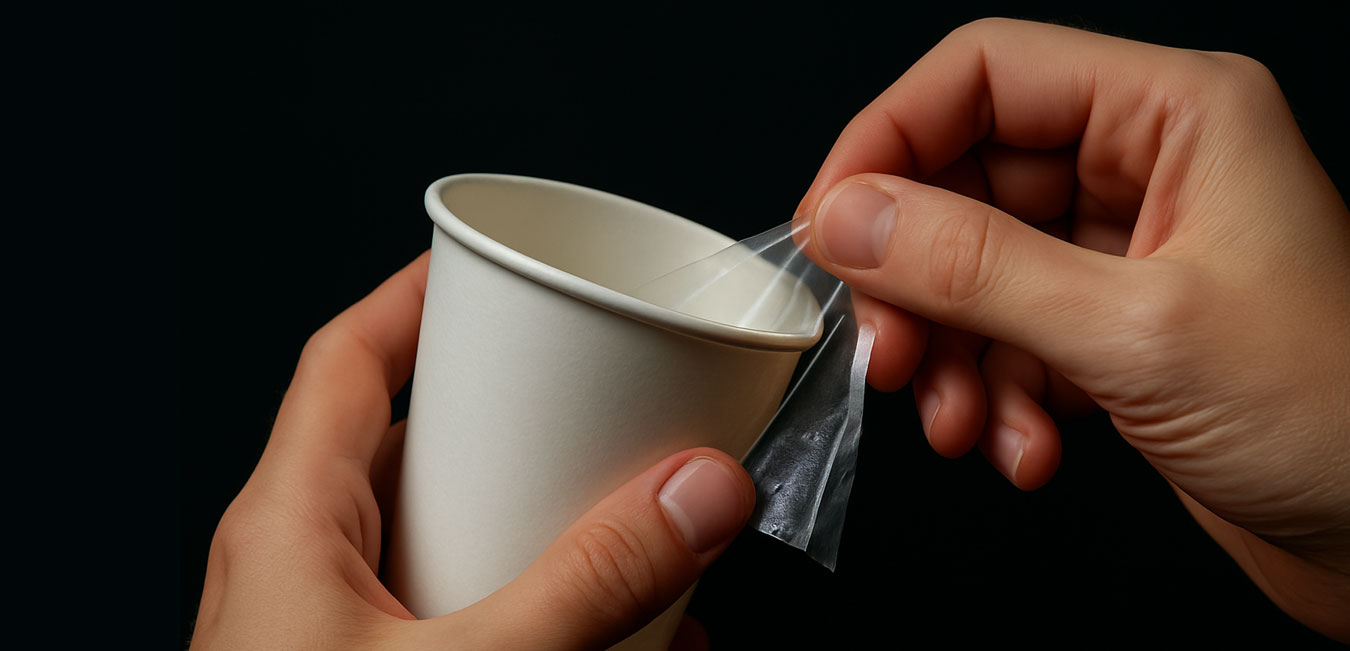
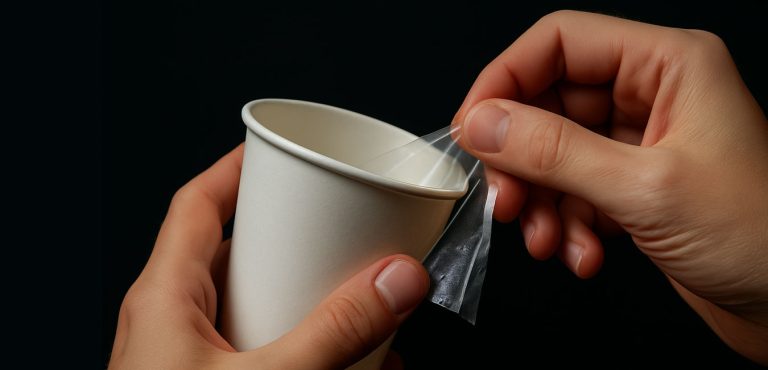
Polystyrene, widely used in disposable cups, food containers, and packaging materials, is one of the most persistent forms of plastic waste. Though lightweight, it breaks into tiny fragments that contaminate soil and marine ecosystems. It often contains styrene, a chemical suspected of causing cancer in humans. Despite partial bans, there are no scalable alternatives or recycling methods that make a dent in its widespread usage.
Polyvinyl Chloride – The Poison in Pipes
Polyvinyl Chloride, or PVC, is another hazardous plastic found in plumbing pipes, medical equipment, toys, and electrical insulation. Its production and disposal release extremely harmful toxins including dioxins and phthalates. Once it enters the environment, it is nearly impossible to remove safely. Unlike other plastics, PVC cannot be effectively recycled due to its complex chemical composition and the presence of toxic additives.
Multi-layer Plastics – The Hidden Villain in Every Packet
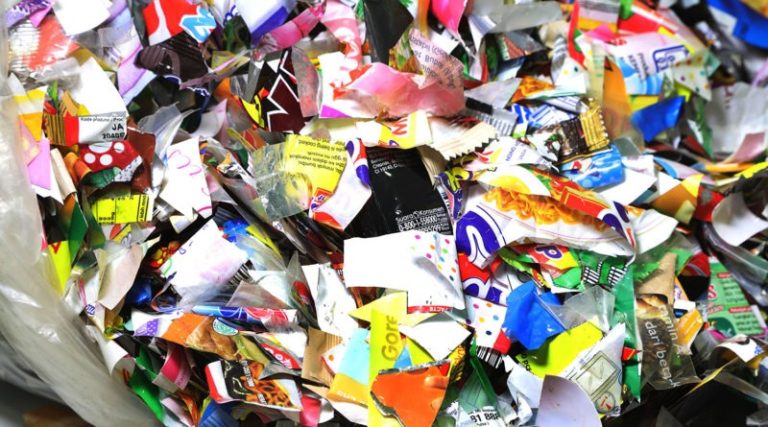
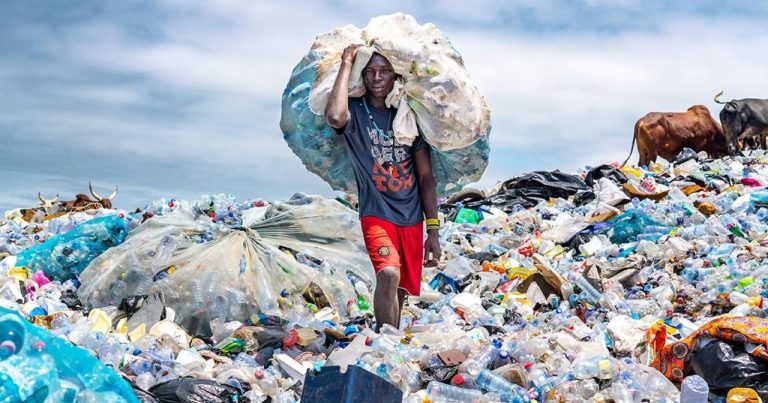
Multi-layer plastics, such as those used in chips packets, shampoo sachets, and food wrappers, represent one of the biggest unresolved challenges in waste management. These are made by combining layers of plastic, foil, and paper—making them impossible to segregate and recycle. They are cheap, non-biodegradable, and dominate the informal packaging market in developing countries. Waste pickers often ignore them, municipalities can’t process them, and no current recycling technology can break them down efficiently.
Polycarbonate – Leaching Trouble in Everyday Products
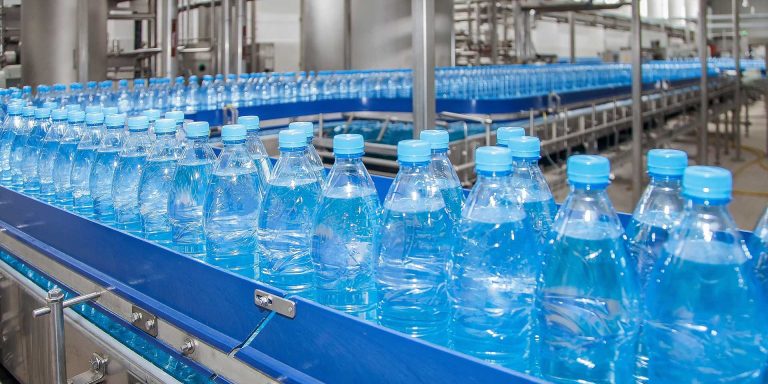
Polycarbonate plastics, commonly found in reusable water bottles, baby bottles, and electronic casings, pose a more hidden danger. They are known to leach Bisphenol A (BPA), a chemical linked to hormonal disruption, cancer, and developmental problems. Even BPA-free versions are under scrutiny, as alternative chemicals may carry similar risks. Polycarbonate is rarely recycled and mostly ends up in landfills or incinerators.
Despite rising awareness, these plastics continue to flow unchecked into our environment. They persist not because they are irreplaceable, but because we have failed to innovate fast enough. Until we demand and create safer alternatives, reduce our dependence, and rethink our production systems, these toxic plastics will remain a stain on the environment—and our collective conscience.