
ESG Goals, PIBOs & the Role of PROs — Shaping Sustainable Accountability
- Latest News
- August 2, 2025
Kolkata, August 2, 2025: In today’s corporate landscape, Environmental, Social, and Governance (ESG) goals are no longer just aspirational—they are regulatory, reputational, and strategic imperatives. Among the entities most impacted by this evolving paradigm are PIBOs (Producers, Importers, and Brand Owners), who face increasing pressure to reduce the environmental footprint of their plastic usage, particularly in light of India’s Plastic Waste Management Rules (PWM), 2016, and its 2022 amendments.
With ESG disclosures becoming mandatory for India’s top 1000 listed companies under the Business Responsibility and Sustainability Reporting (BRSR) framework, PIBOs are now being evaluated on how responsibly they manage their extended producer responsibility (EPR). One of the most critical aspects of ESG for these companies is how effectively they recover and recycle the plastic they introduce into the market.
However, compliance with these responsibilities is complex. Fragmented waste collection systems, inconsistent state regulations, and limited recycling infrastructure create operational hurdles. That’s where Producer Responsibility Organizations (PROs) step in as enablers.
PROs serve as the crucial link between PIBOs and waste value chains, managing end-to-end plastic waste logistics—from collection and segregation to recycling and reporting. By onboarding recyclers, aggregators, and urban local bodies, PROs ensure PIBOs meet their EPR targets while also aligning with their ESG commitments.
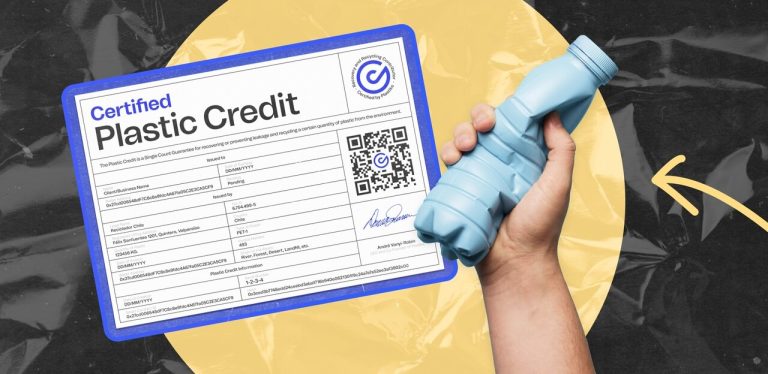
Moreover, the involvement of PROs allows PIBOs to produce verifiable data on plastic recovery, crucial for ESG reporting under frameworks like GRI, BRSR, or SASB. This helps build transparency in non-financial disclosures, a growing demand among investors, regulators, and consumers alike. As per a 2024 PwC survey, 46% of consumers globally now prefer sustainable products, reinforcing the reputational and financial benefits of strong ESG alignment.
Yet, challenges remain. The lack of standardization in reporting metrics—such as how recycling volume or post-consumer recovery is calculated—creates difficulties in comparing ESG performance across companies. To address this, policy-makers and industry leaders must work together to develop unified ESG and EPR reporting norms.
In conclusion, ESG goals are compelling PIBOs to embed sustainability deeply into their operations. While the path is fraught with compliance and logistical challenges, PROs have emerged as vital partners, enabling responsible plastic management and making ESG not just an obligation, but an opportunity for long-term value creation.