
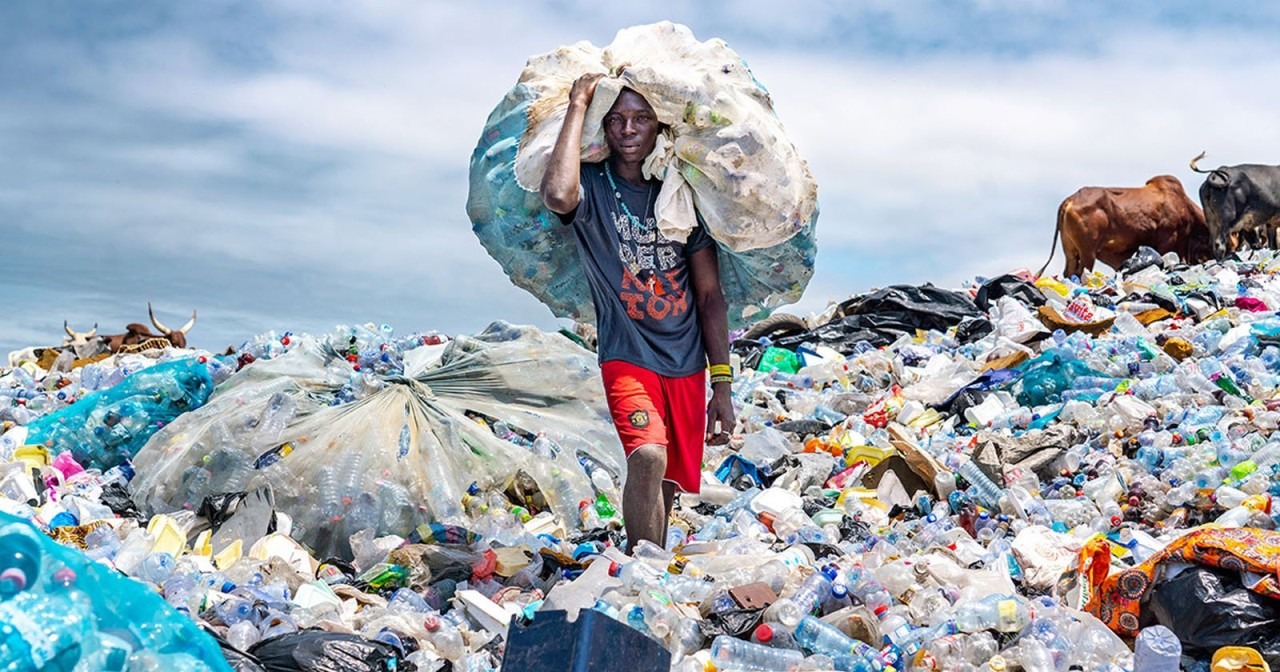
Global Plastic Recycling Crisis — The World Still Recycles Less Than 10%

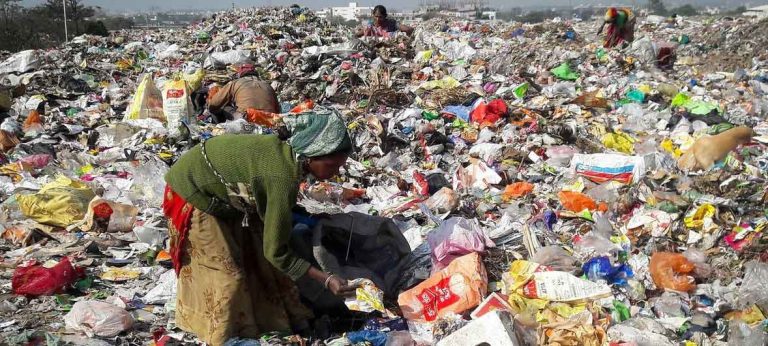
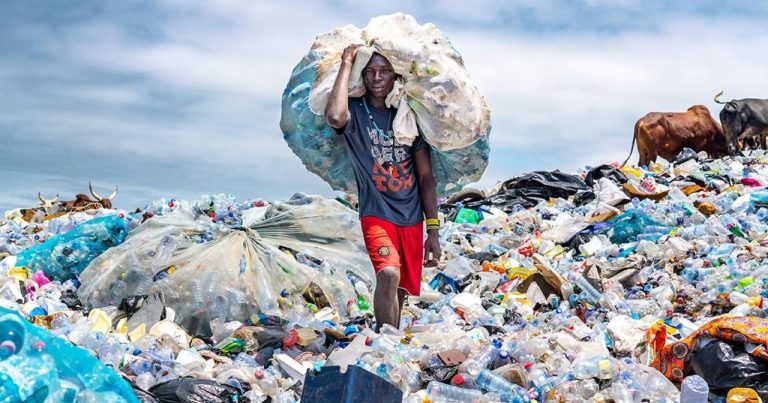
Kolkata, August 2, 2025: Despite increasing awareness and global efforts to curb plastic pollution, the world continues to face a deeply troubling truth — plastic recycling rates remain stagnant at under 10%, with the vast majority of new plastic still produced from fossil fuels. According to a comprehensive new study by Tsinghua University, published in Communications Earth & Environment, the global recycling rate in 2022 was just 9.5%, showing negligible progress over the past decade.

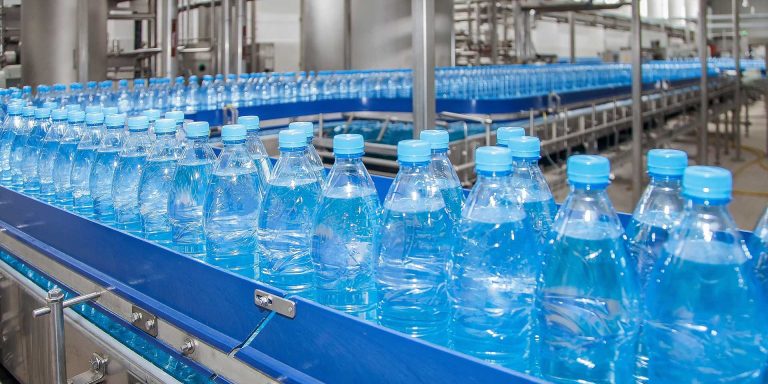
The study, which analyzed data from national statistics, industry reports, and global databases, offers the first full-scale mapping of the plastics lifecycle — from production to disposal. Out of 400 million tones of plastic produced globally in 2022, only a fraction was recycled. The rest was made using virgin materials — primarily oil and gas — further exacerbating climate change and undermining efforts to build a circular economy.

One of the most striking insights from the research is the persistent economic barrier: producing new plastic is still cheaper than recycling used plastic. This discourages investment in sustainable recycling infrastructure and innovation. Technical challenges like contamination, complex additives, and mixed material packaging also limit recyclability. In the U.S., which is the highest per-capita consumer of plastic, only 5% of plastic was actually reused.

The study also observed a shift in how plastic waste is disposed of. Although landfill still accounts for 40% of global plastic waste, incineration is on the rise — especially in the European Union, China, and Japan — now handling about a third of all plastic waste. However, this method raises serious concerns due to the release of harmful toxins and its role in climate emissions.

Importantly, informal and unregulated disposal methods — like open burning, particularly in lower-income nations — are often overlooked in official data. A related study published in Nature highlights that such practices contribute heavily to environmental damage and health risks, sometimes causing as much harm as plastic littering itself.

As the world gears up for the next round of plastic treaty negotiations in Geneva this August, these findings serve as a powerful wake-up call. Without urgent reforms in production, policy, and consumer behavior, the plastic crisis may spiral beyond control. It is time for global cooperation, industry accountability, and individual responsibility to converge in action — before it’s too late.

Have you checked these?

How Eco Formers is Driving Sustainable ERP Compliance

How Eco Formers is Driving Sustainable ERP Compliance Latest News August 12, 2025 Plastic pollution...
Phasing Out Non-Recyclable Plastics – The Road to a Cleaner Future

Phasing Out Non-Recyclable Plastics – The Road to a Cleaner Future Latest News August 9, 2025...
Recycle Plastic or Reduce Usage – How Governments Are Taming Plastic Pollution

Recycle Plastic or Reduce Usage – How Governments Are Taming Plastic Pollution Latest News August 8...
Risks and Challenges of Plastic Recycling: From Collection to Reuse

Risks and Challenges of Plastic Recycling: From Collection to Reuse Latest News August 6, 2025...

The Hidden Plastic Threat: The Overlooked Challenge

The Hidden Plastic Threat: The Overlooked Challenge Latest News August 6, 2025 Kolkata, 6th Aug...
ESG Goals, PIBOs & the Role of PROs — Shaping Sustainable Accountability

ESG Goals, PIBOs & the Role of PROs — Shaping Sustainable Accountability Latest News August 2...
Global Plastic Recycling Crisis — The World Still Recycles Less Than 10%

Global Plastic Recycling Crisis — The World Still Recycles Less Than 10% Uncategorized August 2...

What You Can Do to Control Plastic Pollution — A Step Towards a Cleaner Tomorrow

What You Can Do to Control Plastic Pollution — A Step Towards a Cleaner Tomorrow Uncategorized...
Buying Plastic Credits: Is It A Legal Alternative for PIBOs to Meet ESG Goals

Buying Plastic Credits: Is It A Legal Route for PIBOs to Meet ESG Goals Latest News July 31, 2025 In...
Scroll to Top