Why PIBOs Must Look Beyond Profit to Meet ESG Goals
- Latest News
- July 31, 2025
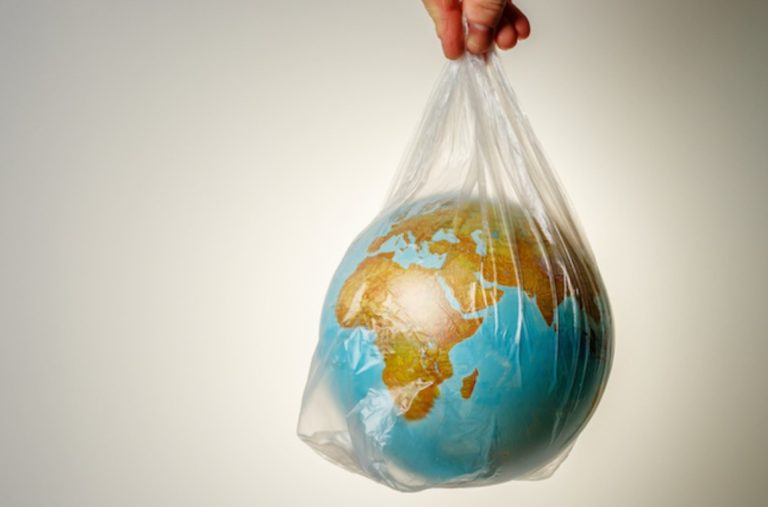
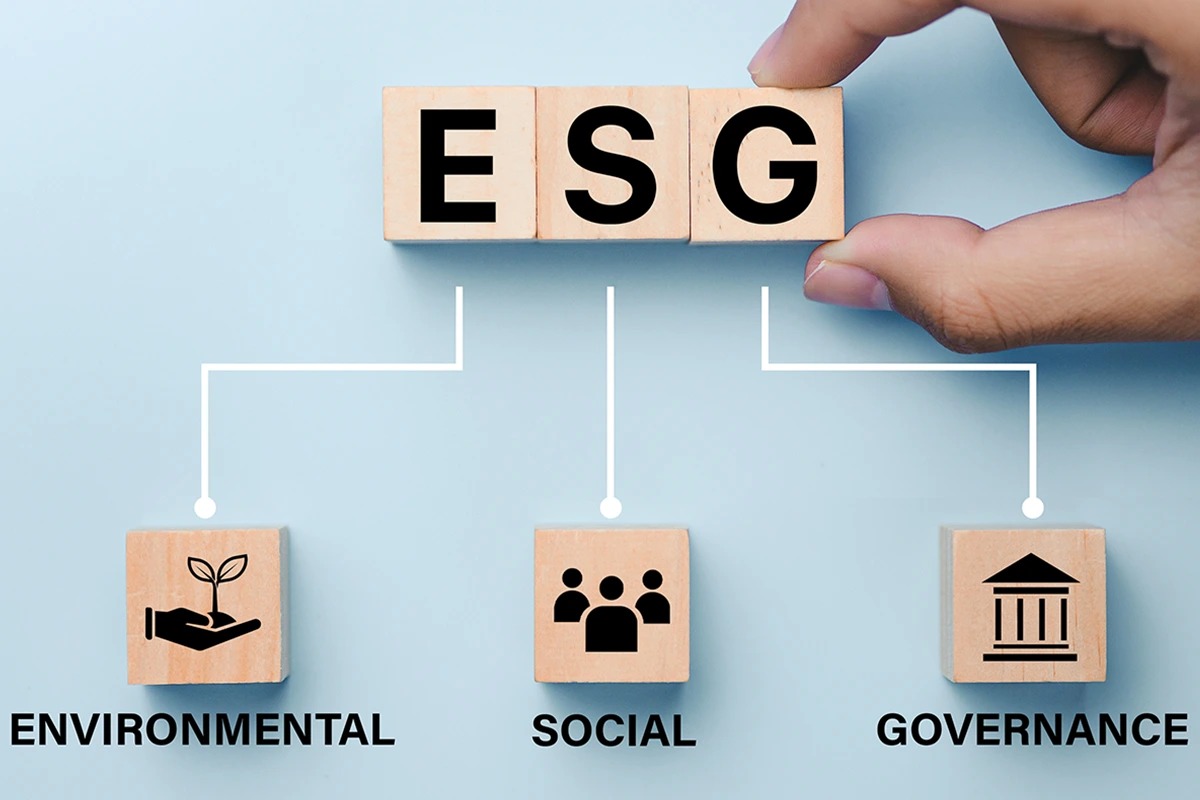
In an era where sustainability isn’t just a buzzword but a regulatory and ethical necessity, Producers, Importers, and Brand Owners (PIBOs) must rethink the way they do business. The recent policy push by regulatory bodies like the Central Pollution Control Board (CPCB) has only reinforced the fact that Environmental, Social, and Governance (ESG) compliance is no longer optional. For PIBOs, this is a call to look beyond profit margins and embrace holistic responsibility.
From Compliance to Commitment
Traditionally, many PIBOs have viewed environmental obligations as a checklist item — something to file, report, and forget. But ESG frameworks demand more. They require businesses to adopt sustainable practices, ensure transparency, and demonstrate genuine social responsibility. With escalating Extended Producer Responsibility (EPR) targets and the recent CPCB circular advocating zero plastic waste leakage, the need for proactive ESG alignment has intensified.
The Plastic Waste Challenge
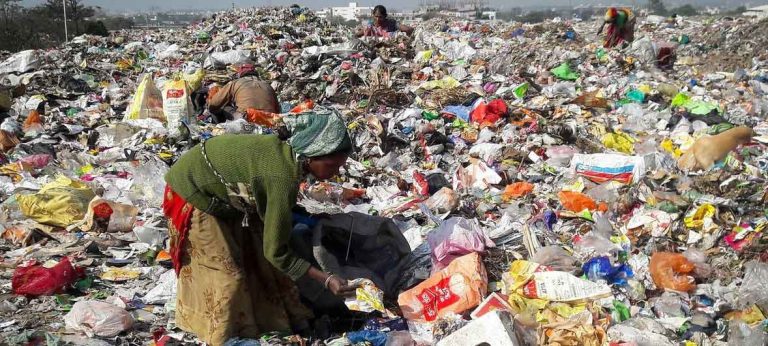
PIBOs are among the major contributors to post-consumer plastic waste, especially in sectors like FMCG, pharmaceuticals, and packaging. While economic growth and scalability have remained their primary focus, the environmental cost has been steadily mounting. Until recently, lax enforcement allowed many to bypass or delay their responsibilities. That time is over.
The government now demands strict plastic accounting, verified recycling, and end-of-life disposal records — or else companies risk penalties, audits, and reputational damage.
ESG: A Competitive Advantage, Not a Cost
Forward-thinking PIBOs have started recognizing ESG not as a burden, but as an opportunity. By partnering with certified plastic waste processors and recyclers, companies are meeting their compliance goals while also enhancing brand trust and investor confidence. ESG-oriented businesses are increasingly preferred by stakeholders, customers, and even financial institutions.
Moreover, regulatory compliance is just the starting point. ESG-aligned PIBOs can tap into green financing, benefit from carbon credits, and participate in global sustainability initiatives that elevate their global standing.
Real-World Transformation: The Rise of Eco Partnerships
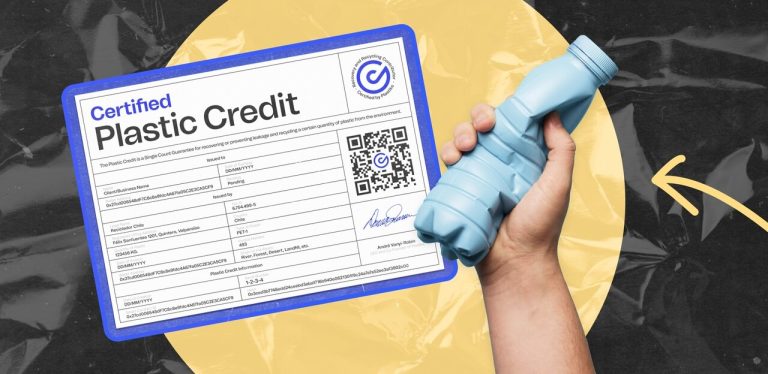
As PIBOs align with professional recycling partners and adopt data-driven waste tracking, a more transparent supply chain is emerging. These collaborations make it easier to generate audit-ready reports, claim plastic credits, and build a more circular business model.
The emergence of digital platforms and certified recyclers — who offer shredding, co-processing, and ESG consultancy — is making the journey less daunting. Instead of treating ESG as an external pressure, businesses are embedding it into their core operational strategy.