
ESG Compliance for PIBOs: A Complete Guide for Plastic-Producing Companies in India

In a world increasingly driven by sustainability benchmarks and responsible capitalism, ESG compliance is no longer just a buzzword — it’s a business imperative. For PIBOs (Producers, Importers, and Brand Owners) operating in India’s vast consumer market, understanding and implementing ESG compliance is now tied to their very license to operate.

But what does ESG compliance really mean for a PIBO?

Breaking Down ESG:

  • E – Environmental: What is your impact on the planet?
  • S – Social: How do you treat people — from employees to communities?
  • G – Governance: Are your internal practices ethical, transparent, and accountable?

For PIBOs, Environmental responsibility is the most immediate — especially when it comes to plastic waste management.

ESG Through the Lens of EPR

Under India’s Extended Producer Responsibility (EPR) framework, PIBOs must take responsibility for the plastic they introduce into the market. This includes:

  • Registering on the CPCB’s EPR portal
  • Declaring the volume and type of plastic introduced
  • Recycling or processing a fixed percentage of this plastic each year
  • Submitting plastic credit certificates from certified recyclers
  • Filing annual returns with documentary evidence

Failure to comply not only attracts regulatory penalties, but also dents a company’s ESG score, which influences:

  • Investor decisions
  • Global trade access
  • Brand reputation
  • Future expansion approvals

ESG: More Than Just Recycling

While recycling targets are key, ESG compliance for PIBOs also includes:

  • Using recycled materials in packaging
  • Reducing virgin plastic usage
  • Ensuring traceability in plastic collection
  • Supporting local waste management ecosystems
  • Educating consumers and vendors about plastic disposal

Forward-thinking PIBOs are now embedding ESG into their supply chains, vendor policies, and even boardroom decisions.

ESG as a Growth Strategy

Rather than seeing ESG as a burden, many PIBOs are now viewing it as a competitive advantage. Global buyers, investors, and even Indian regulators are prioritizing companies that show measurable ESG action.

Collaborating with platforms like EcoFormers, which offer plug-and-play ESG compliance infrastructure, has made this transition far more accessible — even for small or mid-sized brands.

Have you checked these?

How Eco Formers is Driving Sustainable ERP Compliance

How Eco Formers is Driving Sustainable ERP Compliance Latest News August 12, 2025 Plastic pollution...
Phasing Out Non-Recyclable Plastics – The Road to a Cleaner Future

Phasing Out Non-Recyclable Plastics – The Road to a Cleaner Future Latest News August 9, 2025...
Recycle Plastic or Reduce Usage – How Governments Are Taming Plastic Pollution

Recycle Plastic or Reduce Usage – How Governments Are Taming Plastic Pollution Latest News August 8...
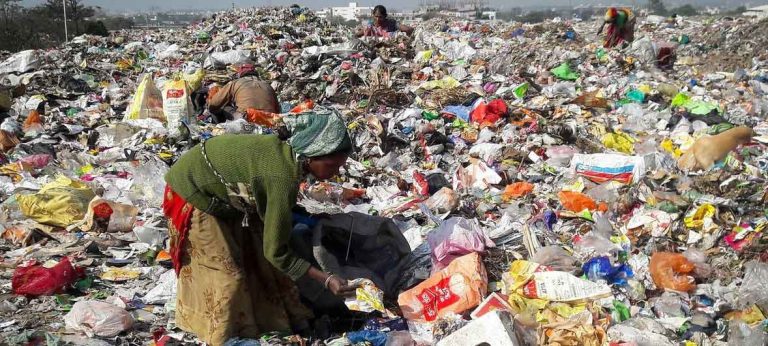
Risks and Challenges of Plastic Recycling: From Collection to Reuse

Risks and Challenges of Plastic Recycling: From Collection to Reuse Latest News August 6, 2025...

The Hidden Plastic Threat: The Overlooked Challenge

The Hidden Plastic Threat: The Overlooked Challenge Latest News August 6, 2025 Kolkata, 6th Aug...
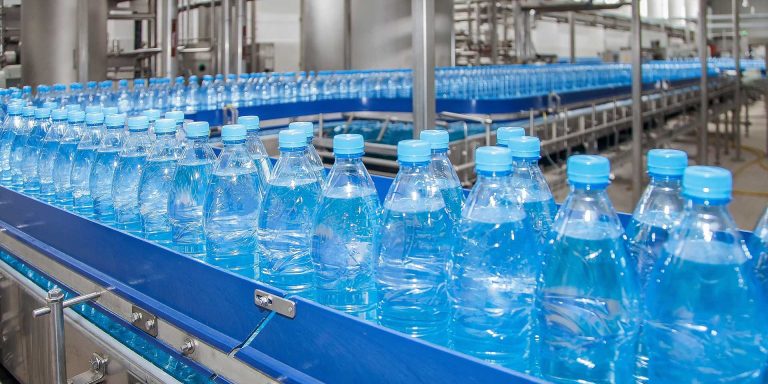
ESG Goals, PIBOs & the Role of PROs — Shaping Sustainable Accountability

ESG Goals, PIBOs & the Role of PROs — Shaping Sustainable Accountability Latest News August 2...
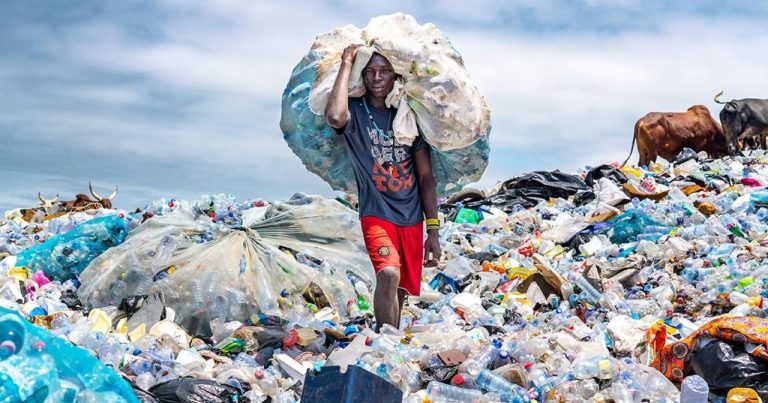
Global Plastic Recycling Crisis — The World Still Recycles Less Than 10%

Global Plastic Recycling Crisis — The World Still Recycles Less Than 10% Uncategorized August 2...

What You Can Do to Control Plastic Pollution — A Step Towards a Cleaner Tomorrow

What You Can Do to Control Plastic Pollution — A Step Towards a Cleaner Tomorrow Uncategorized...
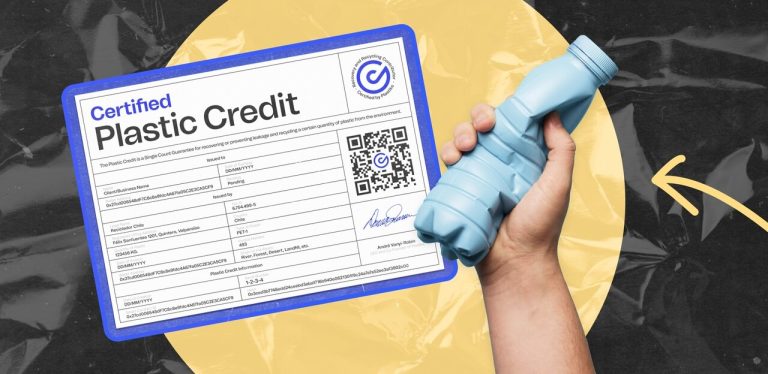
Buying Plastic Credits: Is It A Legal Alternative for PIBOs to Meet ESG Goals

Buying Plastic Credits: Is It A Legal Route for PIBOs to Meet ESG Goals Latest News July 31, 2025 In...
Scroll to Top